






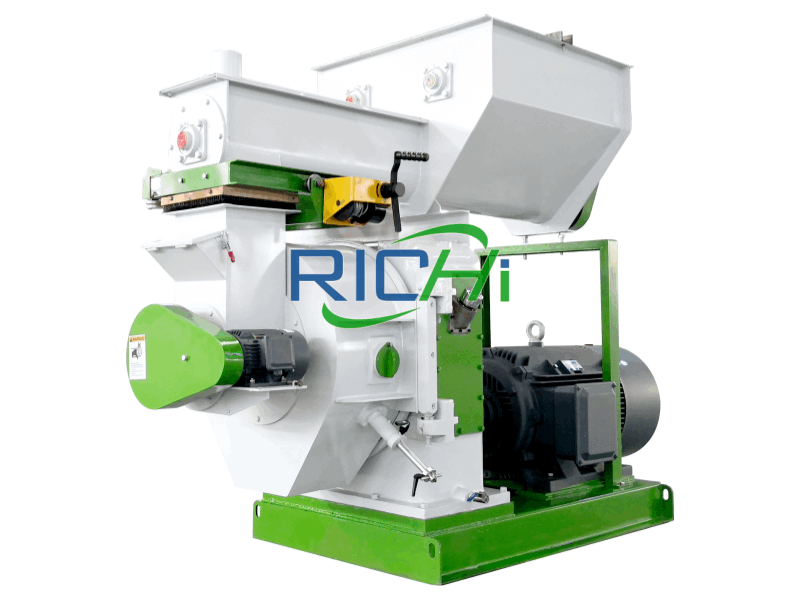
Across Asia, Africa, and South America, rice processing generates millions of tons of husk every year. Traditionally, much of this byproduct was burned openly or discarded near farms and mills, causing environmental pollution and wasting potential energy resources. Today, governments and biomass investors are looking at rice husk from a completely different perspective. Instead of agricultural waste, it is now considered a renewable raw material with commercial value.
The rapid growth of biomass energy projects has created strong demand for efficient pelletizing technology. More manufacturers, feedstock processors, and power plants are investing in advanced pellet production systems that can process difficult materials with high silica content. This trend has pushed the market for the husk pellet machine to a new stage of development.
Unlike traditional wood pellet production, rice husk pelletizing requires stronger compression systems, better wear resistance, and optimized moisture control. Modern equipment can now transform loose rice husk into dense fuel pellets suitable for industrial boilers, biomass heating systems, and power generation plants.
For investors entering the renewable energy sector, rice husk pellets offer several advantages:
- Stable raw material supply in rice-producing regions
- Lower feedstock cost than wood waste
- Strong demand from industrial heating users
- Reduced carbon emissions compared to coal
- Easier transportation and storage after pelletizing
These benefits explain why many biomass factories are upgrading their systems with advanced pellet processing solutions.
The Core Technology Behind Modern Pellet Production
Rice husk is not an easy raw material to pelletize. It contains high silica levels, low natural adhesion, and abrasive characteristics that can quickly wear out ordinary pelletizing equipment. Because of this, specialized machinery is essential.
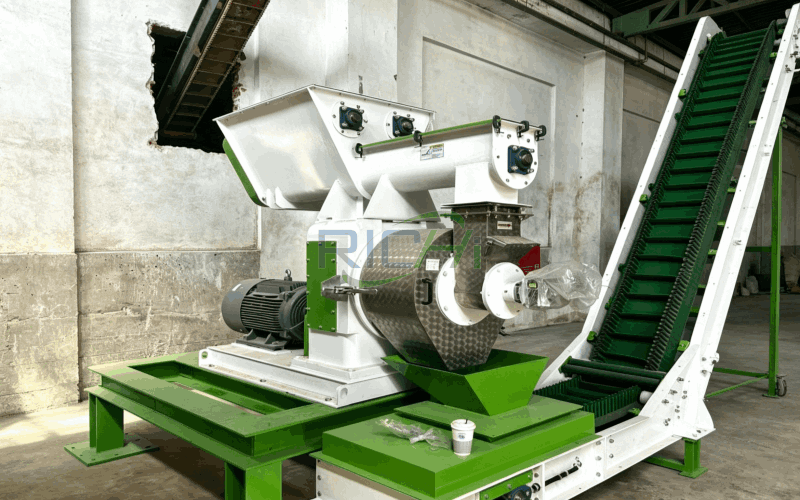
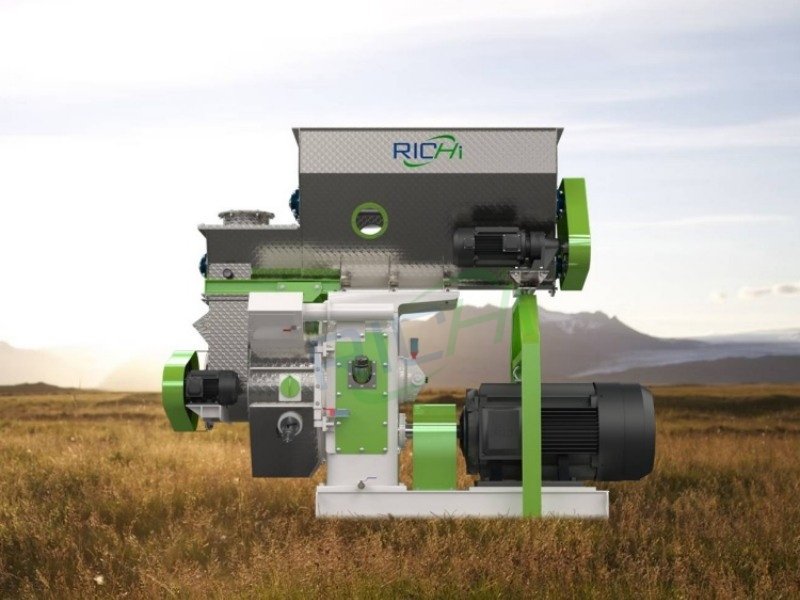
A modern industrial rice husk pellet making machine for sale usually includes several integrated systems:
Raw Material Crushing and Preparation
Although rice husk is relatively small in size, some projects combine it with straw, sawdust, or agricultural residues. In these cases, hammer mills or fine grinding systems are used to ensure consistent particle size.
Drying and Moisture Adjustment
Moisture content is one of the most important factors in pellet quality. Excess moisture reduces density and causes unstable pellet formation. Insufficient moisture increases power consumption and lowers output capacity. Most pellet plants maintain moisture levels between 12% and 15%.
Pellet Compression System
The pellet mill compresses raw material through high-strength ring dies using pressure rollers. During this process, heat and pressure activate lignin and improve pellet durability.
Cooling and Screening
Fresh pellets leave the pellet machine at high temperatures. Cooling systems reduce moisture and improve hardness before packaging.
Packing and Storage
Depending on customer requirements, pellets can be packaged in small bags for retail markets or bulk-loaded for industrial use.
With optimized engineering, modern rice husk pellet systems can achieve high efficiency and low operating costs.
Why Investors Prefer Rice Husk Pellet Projects
The biomass energy market is evolving rapidly. In many countries, governments encourage industries to reduce dependence on fossil fuels and adopt renewable alternatives. Rice husk pellets have become an attractive option for several reasons.
First, the raw material is widely available near rice mills. This reduces transportation costs and stabilizes long-term production.
Second, rice husk pellets have strong combustion performance. Their density improves storage and transportation efficiency compared to loose agricultural waste.
Third, pellet production creates additional income for agricultural regions. Farmers and rice processors can monetize waste materials that previously had little economic value.
Finally, biomass fuel projects help industries meet environmental standards. Many manufacturing plants now replace coal boilers with biomass systems to reduce emissions.
These advantages have increased demand for the pellet press industry worldwide.
How to Choose the Right Rice Husk Pellet Equipment
Not all pellet systems are suitable for rice husk processing. Buyers should carefully evaluate several factors before investing.
Capacity Requirements
Production capacity depends on market demand and raw material availability. Small commercial plants may operate at 1-2 tons per hour, while industrial biomass projects require much larger systems.
Die and Roller Materials
Rice husk contains abrasive silica that causes severe wear. High-quality alloy steel dies and rollers improve equipment lifespan.
Energy Consumption
Efficient motors and optimized transmission systems reduce operational costs.
Automation Level
Automatic lubrication, PLC control systems, and intelligent monitoring reduce labor requirements and improve production consistency.
After-Sales Service
Reliable technical support is essential for long-term operation.
Many biomass companies searching for advanced equipment eventually choose a Richi Pellet Mill because of its integrated engineering solutions and customized project support.
Applications Beyond Fuel Pellets
Although biomass fuel is the primary application, rice husk pellets are also used in several other industries.
Industrial Heating
Factories use biomass pellets for steam generation and thermal energy.
Power Plants
Some renewable energy stations co-fire biomass pellets with coal to reduce carbon emissions.
Agricultural Heating
Greenhouses and poultry farms increasingly use biomass pellet boilers.
Export Biomass Markets
Countries with renewable energy targets import biomass pellets for industrial applications.
This diversification helps investors reduce market risks and improve profitability.
Global Market Trends for Rice Husk Pellet Manufacturing
The biomass sector is experiencing rapid expansion due to energy transition policies worldwide.
Southeast Asia
Thailand, Vietnam, Indonesia, and India are major rice-producing countries with enormous biomass potential.
Europe
European industries continue increasing demand for renewable fuel pellets.
Africa
Agricultural modernization projects are introducing pellet fuel systems to reduce reliance on firewood.
South America
Biomass investments are growing alongside agricultural processing industries.
As international demand rises, more companies are seeking reliable suppliers for pellet production equipment. Many buyers searching online for complete biomass systems often go to website resources to compare project cases, machine configurations, and production capacities before making purchasing decisions.
Operational Tips for Stable Pellet Production
Successful biomass pellet production depends on more than machinery alone. Operators should follow several important practices.
Maintain Consistent Moisture
Moisture fluctuations directly affect pellet quality and output.
Regularly Inspect Dies and Rollers
Wear parts should be monitored to avoid sudden downtime.
Optimize Raw Material Mixing
Combining rice husk with sawdust or straw can improve pellet durability.
Train Operators Properly
Experienced technicians can quickly identify production issues.
Keep Spare Parts Available
Proper inventory management minimizes maintenance delays.
Factories that follow these principles usually achieve better production stability and lower operating costs.
Future Development of Biomass Pellet Technology
The next generation of pellet equipment focuses heavily on automation, energy efficiency, and intelligent manufacturing.
Emerging technologies include:
- Remote monitoring systems
- AI-based production analysis
- Energy-saving motor systems
- Automated moisture adjustment
- Wear-resistant alloy innovations
These developments help biomass producers increase efficiency while lowering maintenance costs.
At the same time, governments continue promoting renewable energy adoption. This creates long-term opportunities for biomass fuel manufacturers worldwide.
Conclusion
Rice husk is no longer viewed as agricultural waste. It has become a valuable renewable resource that supports sustainable energy production and industrial fuel replacement.
With modern pelletizing technology, investors can convert low-cost agricultural residues into profitable biomass products suitable for global energy markets. Choosing the right equipment, optimizing raw material preparation, and adopting efficient production strategies are essential for long-term success.
As renewable energy demand continues rising, the market for biomass pellet manufacturing will likely expand further. Businesses entering this sector today have the opportunity to build sustainable operations while contributing to cleaner industrial energy systems.
For companies planning new biomass projects, selecting a high-performance pellet system and experienced supplier is the foundation of future growth.
(Related Post: https://biomasspelletizer.com/peanut-shell-pellet-machine/)