

Tom had a problem that every poultry farmer knows. The pile behind his barns kept growing. It was more than a nuisance. It was a cost. He paid a neighbor to haul some away. He spread some on his own fields, but the soil could only take so much. He tried composting, but it took time and space he didn’t have. The pile sat there, smelling, attracting flies, and slowly becoming the most expensive thing on the farm.
Then one afternoon, a feed salesman mentioned something in passing. “You know, some farms are turning that stuff into pellets and selling it,” he said. Tom laughed. “Selling manure?” The salesman shrugged. “Organic fertilizer. Garden centers, vegetable farms, they pay good money for it. You should look into it.”
Tom didn’t laugh the second time he heard it. He went home, opened his laptop, and started reading. That night, he barely slept. By morning, he had a new question on his mind. What if the pile wasn’t a liability? What if it was a product?
The First Machine
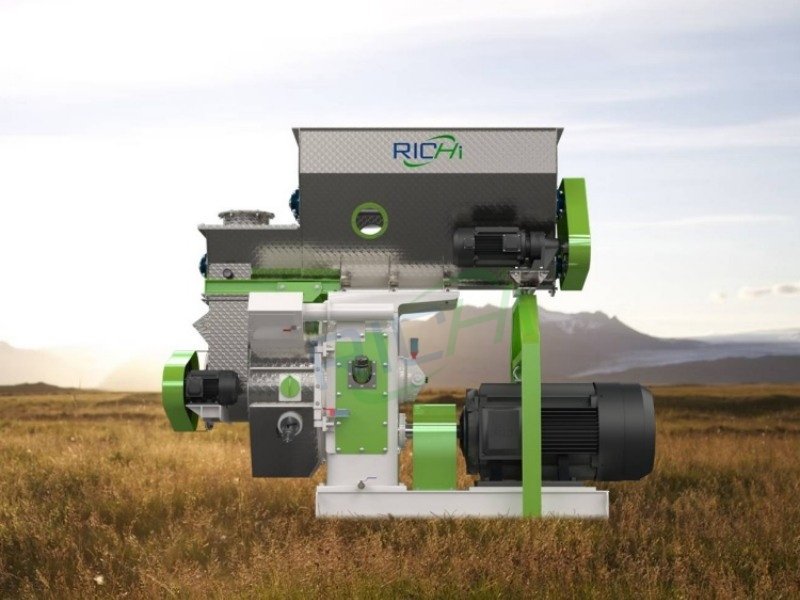
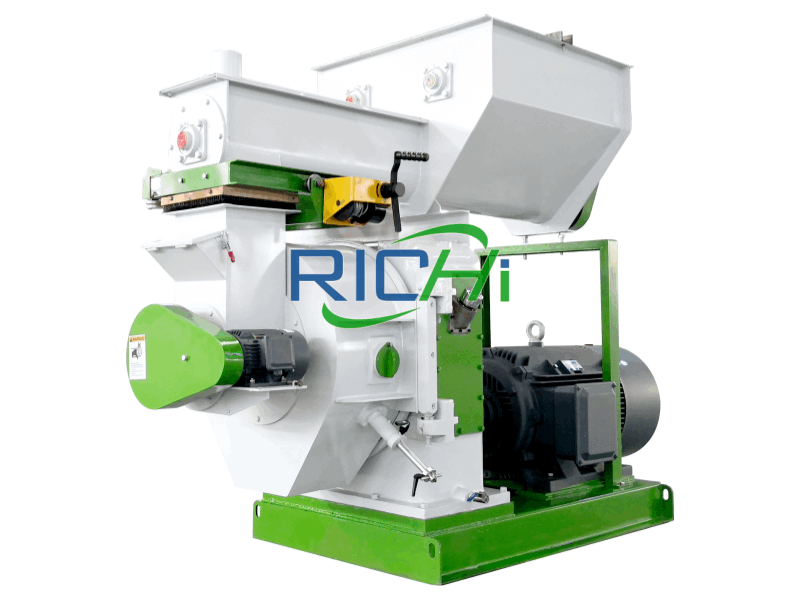
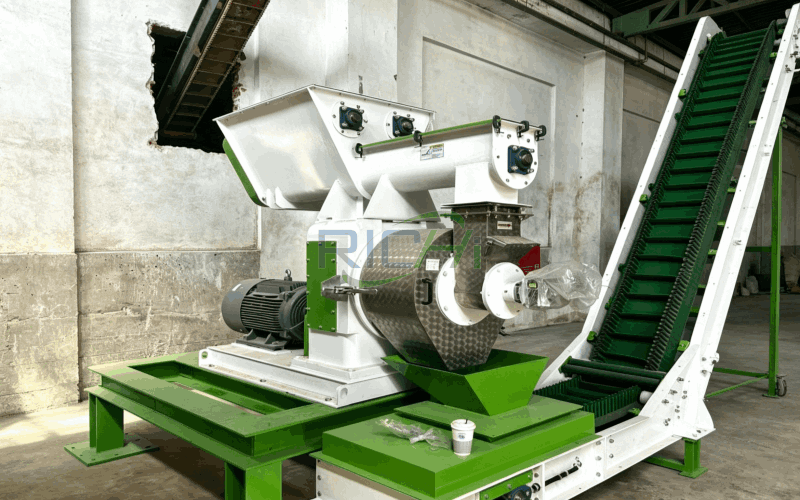
Tom started small. He wasn’t ready to build a factory. He just wanted to see if the idea had legs. He found a used pellet mill machine online, a compact unit that could run on his existing power supply. It wasn’t fancy. It had a single die and a manual feed. But it could turn dried manure into pellets.
He spent a few weeks learning how to run it. The first batches were rough. The pellets were soft. Some crumbled. Some clogged the die. He adjusted the moisture, changed the grind, and tried again. By the fourth week, he had a bucket of pellets that looked like something you might buy at a store.
He took a sample to a local garden center. The owner looked at it, rolled a few pellets between his fingers, and asked, “How much can you make?” Tom said he didn’t know. The owner said, “Find out. I’ll take a pallet.”
That was the moment everything changed.
The Difference Between Pellets and Granules
Tom soon learned that not all fertilizer is the same. His pellets were dense and slow-release. They worked well for potted plants and lawns. But vegetable growers wanted something different. They wanted granules—rounder, more porous, easier to mix into soil. Granules break down faster and blend better with other inputs.
He also learned that making granules required different equipment. A pellet mill presses material through a die. A granulator tumbles material in a drum or on a disc, building up layers like a snowball. The two processes are not interchangeable. If you want to serve both markets, you need both machines.
Tom found a 2t/h organic fertilizer granulator machine for sale from a dealer a few states away. He drove out to see it run. The machine was bigger than his pellet mill. It had a rotating drum, a binder spray system, and a conveyor that fed material in one end and dropped round granules out the other. He watched it for an hour, asked a dozen questions, and wrote a check.
Now he had two products. Pellets for the lawn and garden market. Granules for the vegetable farms. And a lot more to learn.
Putting the Whole Line Together
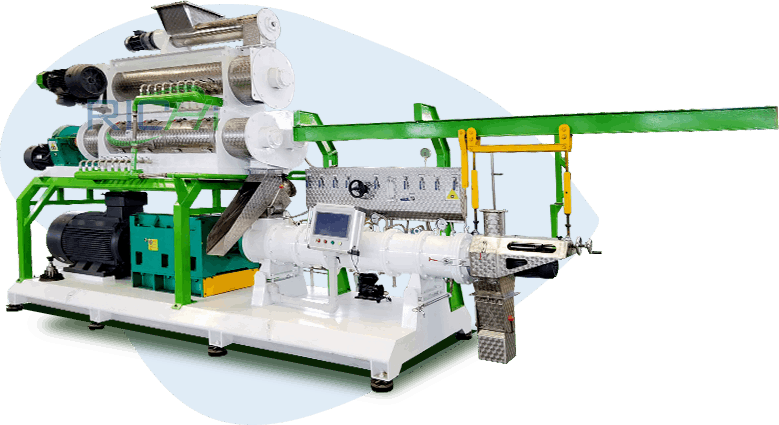
The pellet mill and the granulator were just the beginning. Tom realized he needed a complete system—a poultry manure processing machine that could handle every step from raw litter to finished product. That meant a dryer, a grinder, a mixer, and a screener. It meant conveyors and bins. It meant a control panel that didn’t require an engineering degree to operate.
He worked with a manufacturer who understood poultry litter. They helped him size the dryer to match the granulator. They recommended a hammer mill with the right screen size. They showed him how to add binders and adjust moisture. They even sent a technician to help with the initial setup.
The first full week of production was chaos. The dryer ran too hot. The grinder clogged. The granulator produced more dust than granules. Tom and his hired hand worked sixteen-hour days, adjusting and retrying. By Friday, they had a system that worked. By the following Monday, they were shipping pallets.
The Market Was Waiting
Tom had worried that selling fertilizer would be hard. He imagined cold calls and rejected samples. It wasn’t like that at all. The organic market was hungry. Garden centers wanted local products. Vegetable farms wanted chemical-free inputs. Landscapers wanted something that wouldn’t burn the lawn.
He started with a simple price list. Pellets in 40-pound bags. Granules in bulk. He delivered within a two-hour radius. He put up a website. He talked to everyone who would listen. Within six months, he had more orders than he could fill.
The pile behind the barn was shrinking. Not because he was hauling it away, but because he was feeding it into the line. Every ton of raw litter became half a ton of finished product. Every ton of finished product became revenue. The cost of disposal disappeared. The cost of fertilizer for his own fields disappeared too.
What He Learned About Equipment
Tom is the first to admit he made mistakes. He bought the pellet mill before he understood the market. He undersized the dryer and had to upgrade. He tried to run the granulator without a binder system and ended up with dust. But he also learned what matters.
The die is the heart of a pellet mill. A cheap die wears out in weeks. A good die lasts months. The difference in cost is small compared to the cost of downtime.
The dryer is not a place to cut corners. If the material is too wet, nothing works. If the dryer is too small, the whole line starves. Size it right from the beginning.
The granulator is more forgiving than the pellet mill. It can handle a wider range of moisture and particle size. But it still needs the right binder and the right rotation speed.
Support matters. When Tom had a problem, he called the manufacturer. They answered. They sent parts. They helped him troubleshoot. Without that support, he would have given up.
What Other Farmers Ask
Tom gets calls from other poultry farmers now. They want to know if it’s worth it. He tells them the truth. It’s not easy. It’s not free. You have to learn new skills. You have to find customers. You have to be willing to get your hands dirty.
But if you have a pile that keeps growing, and you’re tired of paying to get rid of it, there’s another way. The technology is available. The equipment is affordable at small scales. The market is real. The pile can become a paycheck.
He doesn’t give them a step-by-step plan. He just tells them his story. And then he tells them to do what he did. Start small. Test the market. Learn as you go. And don’t be afraid to ask for help.
The Pile Today
The pile behind Tom’s barn is smaller than it used to be. It’s not gone—it never will be. Chickens keep producing. But it’s not a problem anymore. It’s inventory. It’s raw material. It’s the first step in a process that pays his bills.
He still works long hours. He still worries about the weather and the market and the price of parts. But he doesn’t worry about the pile. That worry is gone. It’s been replaced by something else. Something he didn’t expect. Pride. And a little bit of amazement that he didn’t see it sooner.
The pile was always there. The value was always there. It just took a machine—and a little nerve—to bring it out.