



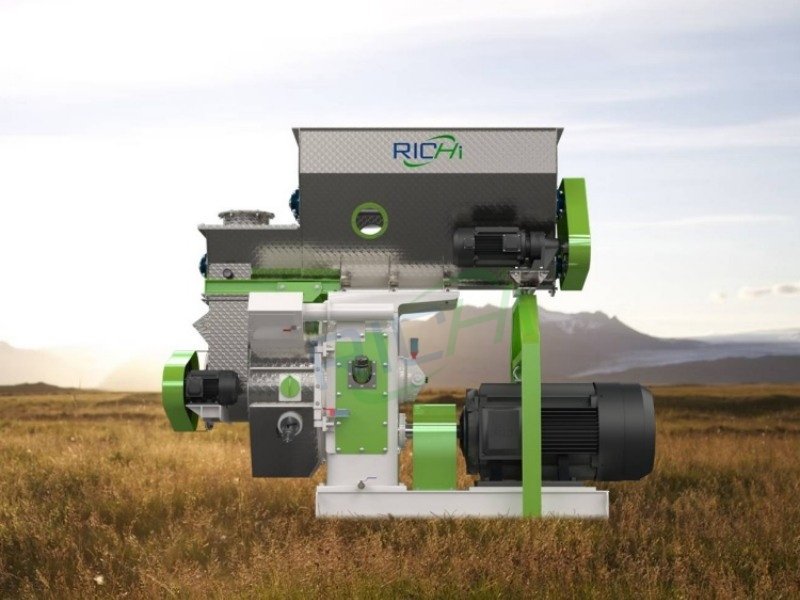
Starting a biomass pellet project can look straightforward from a distance. Agricultural residues enter one end of the facility, compact fuel products come out the other, and the difference appears to be simple mechanical compression.
In reality, the most successful projects are built around dozens of small decisions.
What raw materials are available? How wet are they? How far must they be transported? What final pellet diameter is needed? Does the project require drying? How many hours per day will the plant operate? Who will buy the pellets?
These questions matter because pellet production is not just a machine purchase. It is a material-management and energy-conversion business.
Step One: Understand the Raw Material
The first engineering decision should always be based on the actual feedstock.
A project may be described broadly as a “straw pellet project,” but straw is not a single standardized material.
Corn residues, wheat straw, rice straw, and sugarcane by-products each have different physical properties. Even the same residue can vary depending on harvest method, field conditions, storage time, moisture, and contamination.
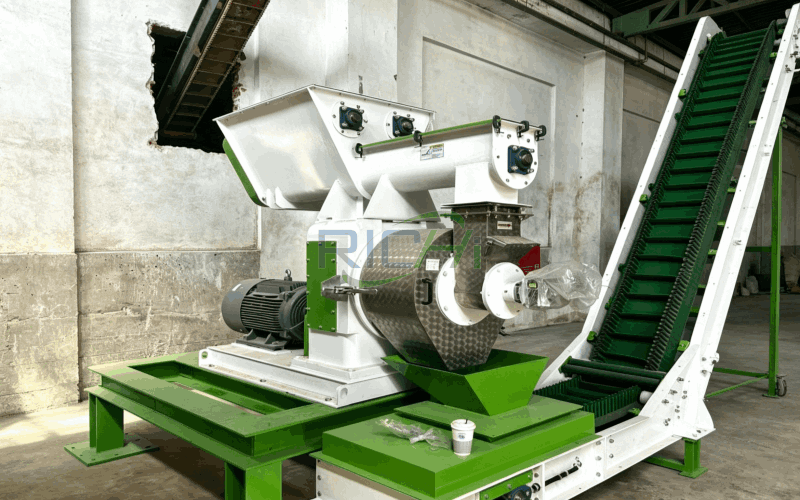
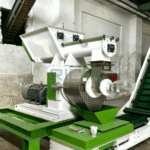
A corn straw pellet machine is therefore best evaluated according to the characteristics of the specific material being processed rather than only the generic product name.
Step Two: Determine the Annual Supply
The next question is not “How many tons per hour do we want?”
It is:
How many tons of usable material can we actually secure every year?
This requires estimating field availability, collection efficiency, transportation losses, competing applications, and seasonal storage capacity.
Suppose a project needs 4 tons of raw material per hour. That number is meaningless without knowing how many operating hours are planned and how much material is available.
A buyer may discover that a smaller plant is more economically sensible because the local residue supply cannot support a larger facility year-round.
Step Three: Look Beyond the Machine
A modern pellet project may involve much more than a pellet press.
A complete process can include:
Raw material receiving
Large bales or loose biomass need to enter the plant safely and efficiently.
Pre-cleaning
Stones, soil, metal, and unwanted materials can damage processing equipment and reduce product quality.
Size reduction
Uniform particle structure improves feeding and compression.
Drying
High-moisture feedstock may require controlled drying.
Pelletizing
Prepared material is compressed into the required size and density.
Cooling
Finished pellets are cooled and stabilized.
Screening
Fines and undersized pellets are separated.
Packing
The product is prepared for transportation or storage.
Each component influences the performance of the next.
How Capacity Should Really Be Selected
Capacity selection should combine raw material supply and customer demand.
A small project may require only a few hundred kilograms per hour. A commercial fuel operation may need several tons per hour. The ideal capacity is the point where equipment investment, material supply, operating costs, and sales volume make financial sense together.
For instance, someone reviewing a 2-3 T/H wheat straw pellet machine for sale should consider whether the available feedstock and market support continuous operation at that level.
Buying capacity that the market cannot absorb creates unnecessary capital cost. Buying too little may lead to bottlenecks as demand grows.
Step Four: Understand Moisture
Moisture deserves particular attention because it affects nearly every stage of biomass pellet production.
Too much moisture can interfere with compression and increase drying costs. Too little moisture can make some fibrous materials difficult to pelletize effectively.
The correct operating range depends on the actual feedstock and equipment configuration. Therefore, raw-material testing is often more valuable than relying on generic moisture assumptions.
A good project evaluation should include moisture measurements from different periods of the year, because agricultural residues may be wetter immediately after harvest and significantly drier after proper storage.
Step Five: Consider the Final Product
Before investing, determine what the pellets are supposed to accomplish.
Are they intended for:
- Industrial boilers?
- Agricultural heating?
- Commercial heating?
- Household fuel?
- Local manufacturing plants?
- Internal fuel replacement?
The answer affects product specifications.
A customer who uses automatic feeding equipment may need consistent pellet diameter and low fines. An industrial boiler may place more emphasis on bulk density, ash characteristics, and fuel stability.
The pellet is not the end of the process. It is the product being sold.
Pellet Diameter Is a Business Decision
Pellet diameter should not be selected purely because a certain die size is available.
Different markets prefer different dimensions, and feeding systems can influence acceptable pellet size.
If several markets are expected to be served, flexibility may be valuable. However, greater flexibility can also increase equipment requirements.
This is why customer research should happen before final equipment selection.
Where Does a Pelleting System Fit in the Broader Business?
A biomass project can have several business models.
Model A: Sell finished pellets
The company buys or collects residues, processes them, and sells the pellets.
Model B: Process internal residues
A farming or industrial enterprise uses its own by-products to produce fuel for internal consumption.
Model C: Toll processing
Customers supply their residues and pay the facility for processing.
Model D: Integrated agricultural operation
The project combines residue collection, pellet production, storage, and local fuel distribution.
Each model has different investment and logistics requirements.
Testing Before Large-Scale Investment
A sample trial can provide useful information about:
- Feedstock preparation
- Moisture behavior
- Pellet formation
- Pellet durability
- Energy consumption
- Production consistency
- Required machine configuration
Testing is particularly important when dealing with unusual or mixed agricultural residues.
A plant that looks excellent on a specification sheet may perform differently with the actual material.
The Importance of Mechanical Reliability
Biomass is abrasive and fibrous. Equipment may face dust, heat, continuous mechanical load, and variable material characteristics.
Maintenance planning should therefore be part of the original investment discussion.
Key considerations include:
- Wear parts
- Spare parts availability
- Lubrication
- Cleaning access
- Motor selection
- Electrical protection
- Emergency shutdowns
- Operator training
A machine that produces high output but suffers frequent unplanned downtime may be less valuable than a slightly smaller system with reliable operation.
Automation: How Much Is Necessary?
Automation can improve production consistency and reduce labor requirements, but not every project needs the same level of control.
A smaller agricultural operation may operate effectively with a relatively simple control system and manual material handling.
Larger facilities may benefit from automatic feeding, centralized controls, variable-speed drives, weighing systems, alarm monitoring, and automated packing.
The right level of automation depends on labor costs, operating hours, production volume, and available technical skills.
Why Local Logistics Can Make or Break the Project
Biomass is bulky before pelletization.
If raw material must travel 100 kilometers before reaching the plant, transportation can become one of the largest costs. Locating near production areas is therefore highly advantageous.
On the finished-product side, pellets are much easier to transport, but freight still matters. A project serving local customers can have a different economic profile from one designed for long-distance distribution.
What Makes a Project More Future-Proof?
A flexible plant is often easier to develop over time.
For example, a facility may initially process corn residues but later add wheat or rice straw depending on seasonal availability.
Another opportunity is market diversification. A business may initially sell pellets to one industrial customer and later expand into agricultural heating or regional fuel distribution.
Flexibility does not mean trying to process every possible raw material. It means designing the system with realistic expansion options.
Useful Questions for a Supplier
Before signing a purchase agreement, buyers should ask:
- What material conditions were used for the quoted capacity?
- Does the quoted output include the complete processing line?
- What preparation equipment is required?
- Is drying necessary?
- What pellet sizes can be produced?
- What are the expected wear-part requirements?
- How is production affected by moisture changes?
- What support is available after installation?
- Can the line process multiple residues?
- Which components may need to be upgraded as production expands?
These questions can reveal differences between equipment proposals that may appear similar at first glance.
Research Should Continue Beyond Price Comparisons
The cheapest quote is not automatically the best investment.
A more useful comparison includes engineering design, machine durability, expected energy consumption, maintenance requirements, spare parts, installation support, and long-term operating reliability.
Potential buyers can also review helpful resources to better understand how biomass preparation and pelletization work across different agricultural applications.
Final Perspective
A biomass pellet project succeeds when the entire system works together.
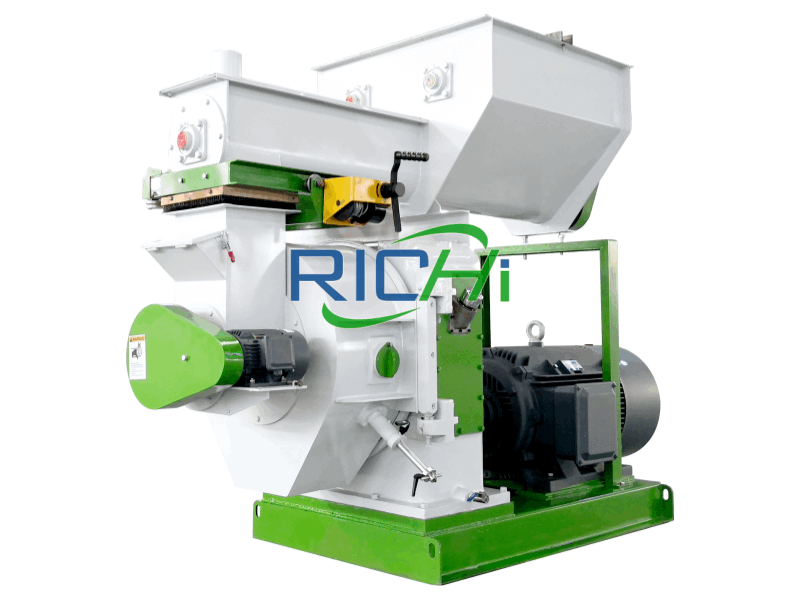
The feedstock must be available. The material must be prepared correctly. The pellet mill machine must match the raw material. The pellets must meet customer expectations. Storage and transportation must remain economical. And the final selling price must support sustainable operation.
The real value of pelletization is not simply that biomass becomes smaller. It becomes standardized, transportable, storable, and commercially useful.
For agricultural regions with substantial crop residues, that transformation can create an opportunity to connect farming, waste reduction, and renewable energy in one practical business model.