

Feed Pellet Machine Commissioning Plan: From Utility Checks to Stable Production
A feed pellet line can be mechanically complete and still fail to reach stable commercial…
A feed pellet line can be mechanically complete and still fail to reach stable commercial…
The investment required for bamboo pellet production depends on much more than the basic machine…
Premix feed plays an important role in modern livestock production because vitamins, minerals, amino acids,…
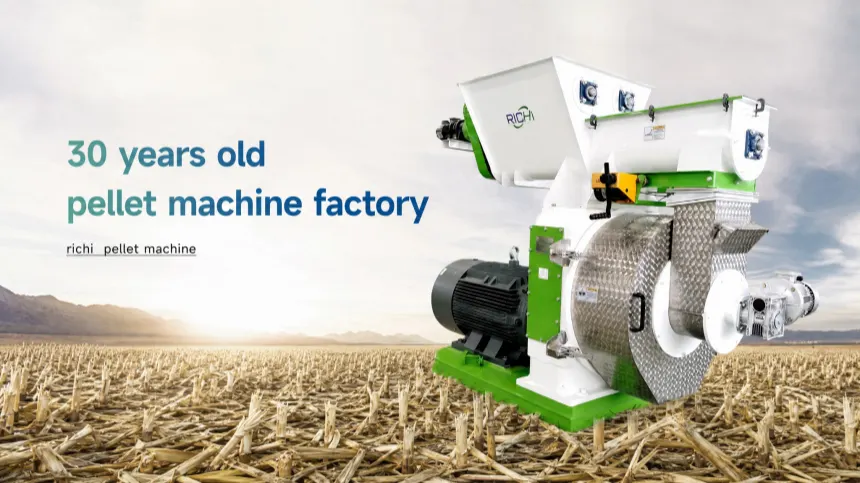
Corn stalks are one of the most abundant agricultural residues in the world. After harvest,…
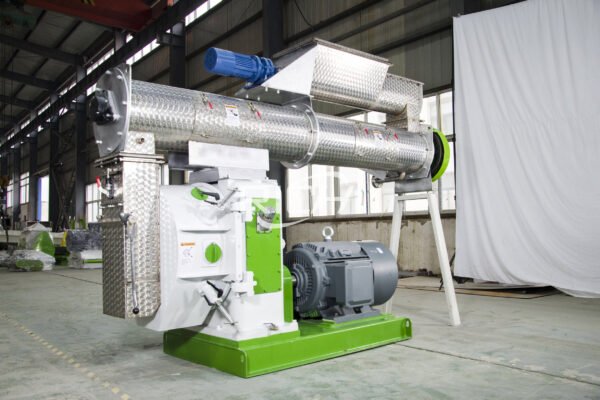
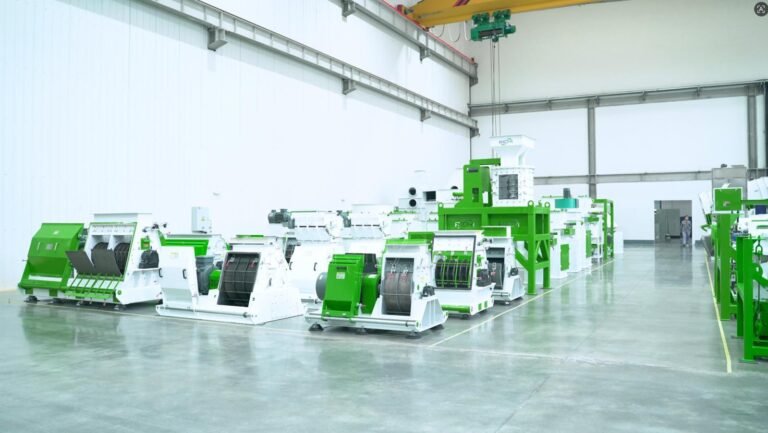
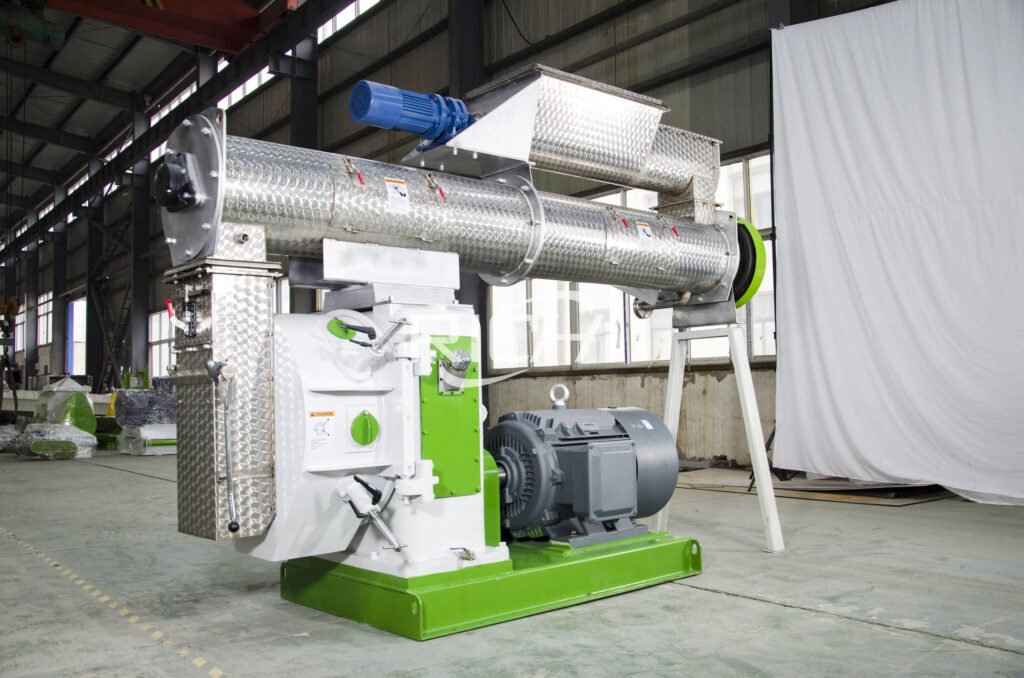
A feed pellet line can be mechanically complete and still fail to reach stable commercial output if commissioning is treated as a short startup event rather than a controlled production handover. The pellet machine sits at the center of a process that depends on raw-material preparation, feeding stability, conditioning, utilities, cooling, screening, controls, and operator…
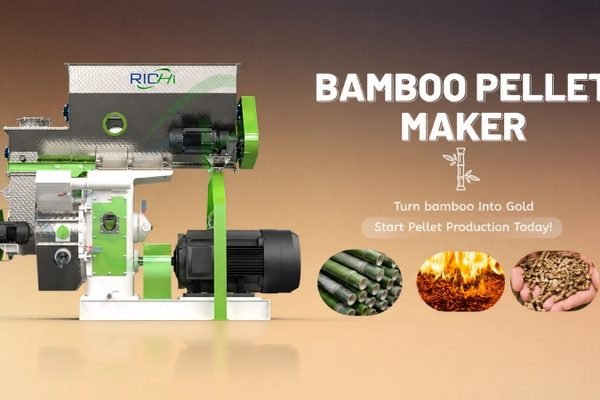
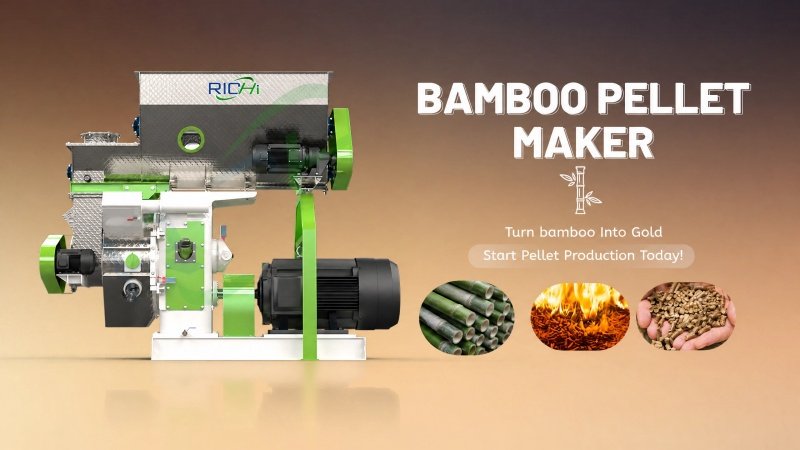
The investment required for bamboo pellet production depends on much more than the basic machine itself. Raw-material condition, required capacity, pellet diameter, motor configuration, drying requirements, automation, and auxiliary equipment can all influence the final project cost. When comparing bamboo pellet machine price and capacity, buyers should therefore look at the complete production process instead…
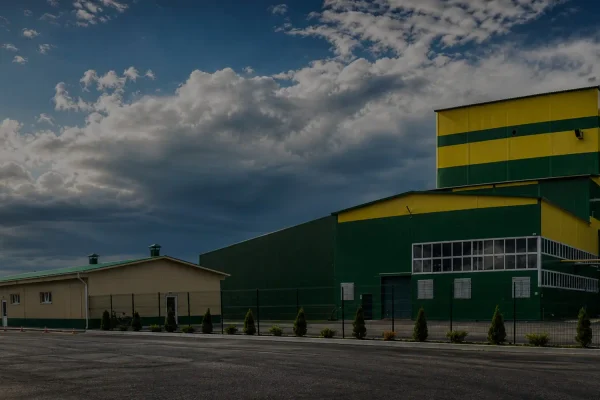
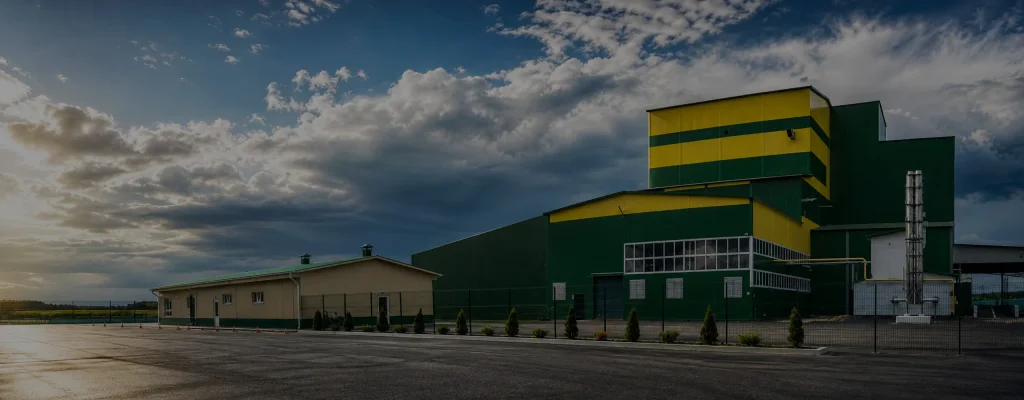
Premix feed plays an important role in modern livestock production because vitamins, minerals, amino acids, and other micro-ingredients need to be supplied accurately and consistently. Although these ingredients may account for only a small percentage of a complete feed formula, their nutritional importance is much greater than their physical quantity suggests. Producing premix therefore requires…
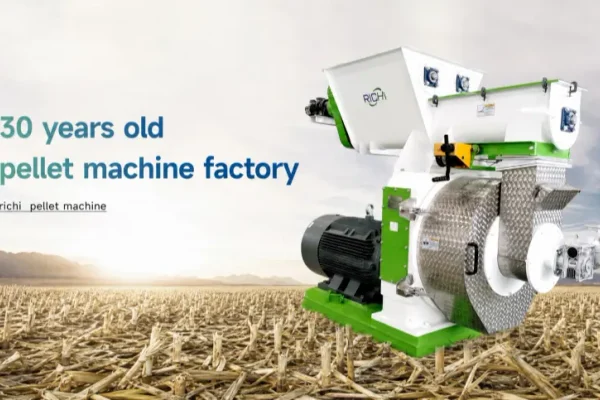
Corn stalks are one of the most abundant agricultural residues in the world. After harvest, they are often left in the field, burned, or plowed back into the soil. In some regions, that is a practical choice. In others, it is a wasted opportunity. Corn stalks contain energy, and with the right processing, they can…
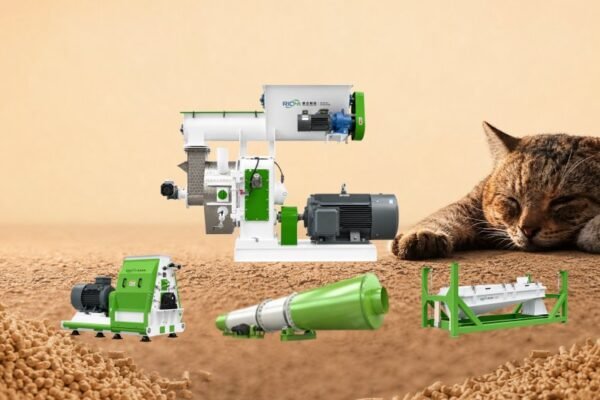
From Wood Waste to a Marketable Pet Product The pet care industry has created new opportunities for businesses that can turn renewable or recycled materials into practical products. Among these opportunities, wood-based cat litter is particularly interesting because many woodworking operations already generate sawdust, wood chips, shavings, and other fibrous residues. Instead of treating these…
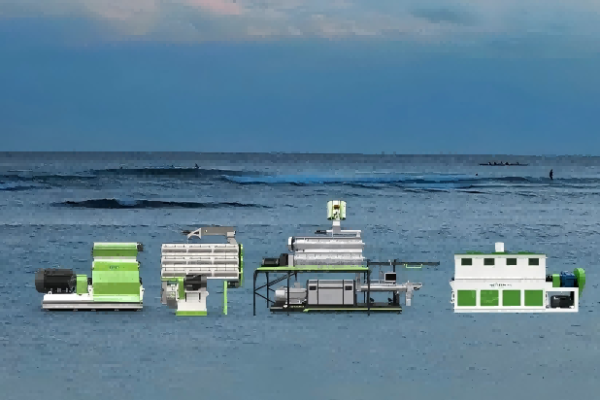
Sinking fish feed is widely used in aquaculture for fish species that feed below the water surface. Compared with floating fish feed, sinking pellets are designed to have a suitable density so that they move downward in water and remain available to fish at different feeding depths. Producing high-quality sinking fish feed requires more than…
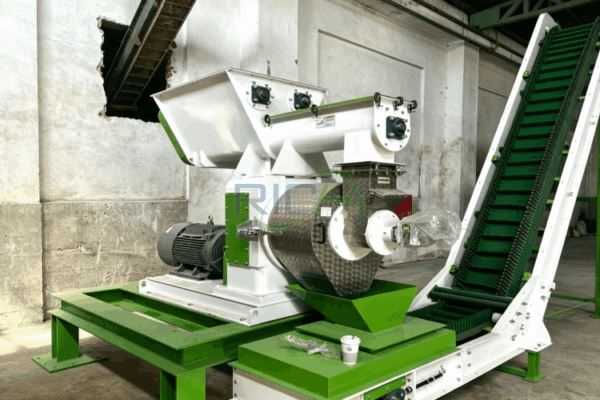
Tom had a problem that every poultry farmer knows. The pile behind his barns kept growing. It was more than a nuisance. It was a cost. He paid a neighbor to haul some away. He spread some on his own fields, but the soil could only take so much. He tried composting, but it took…
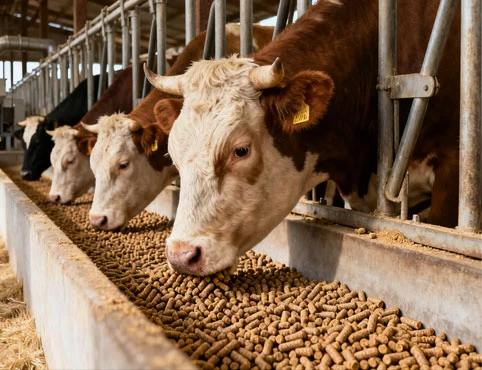
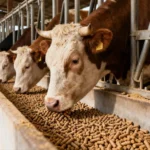
Good cattle nutrition depends on more than selecting high-quality ingredients. The way feed is processed can also affect how consistently nutrients are delivered, how easily feed can be handled, and how well cattle consume the finished product. Modern cattle feed technology combines formulation, grinding, batching, mixing, conditioning, pelleting, cooling, screening, coating, and packaging to produce…

For a new biomass project, the choice of equipment supplier can influence the project long after installation. A corn stalk pellet machine must handle fibrous material under continuous mechanical pressure, but the machine itself is only one part of a larger production system. Engineering support, spare parts, commissioning, and technical communication can be equally important. This…
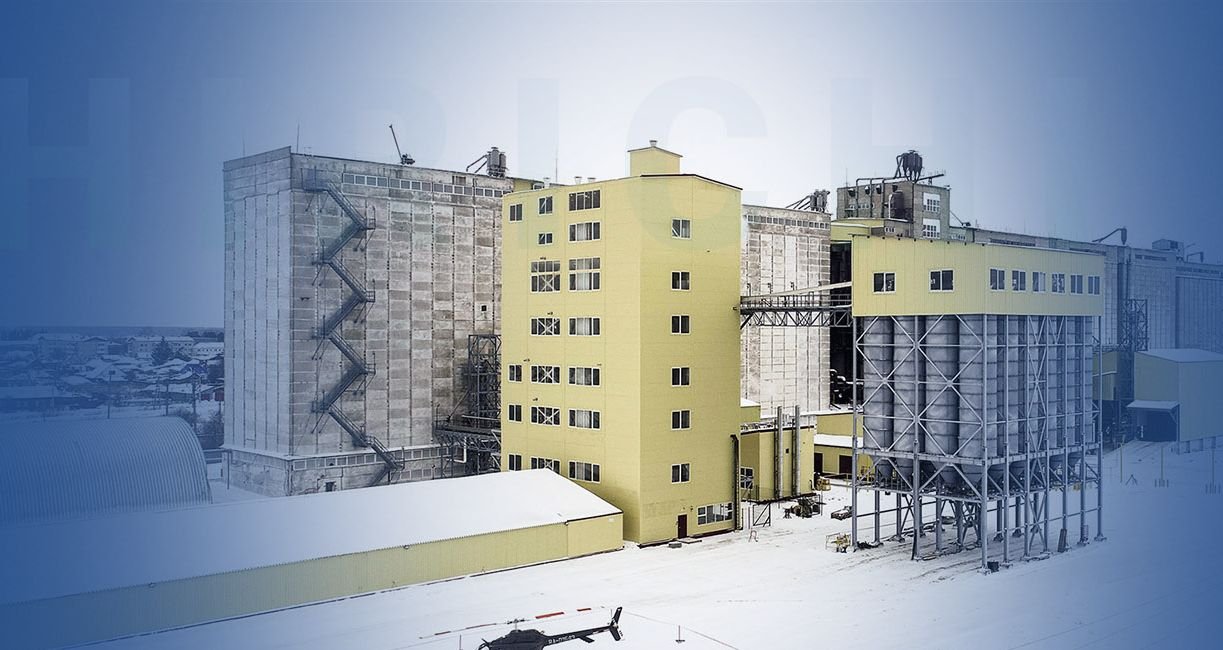
A poultry feed line that changes formulas frequently should be designed around controlled transitions, not only maximum hourly output. The practical objective is to move from one recipe to the next without losing ingredient traceability, dosing accuracy, mixer uniformity, pellet quality, or too much production time. That requires decisions about storage, batching, conveying, sequencing, cleaning,…