




For a new biomass project, the choice of equipment supplier can influence the project long after installation. A corn stalk pellet machine must handle fibrous material under continuous mechanical pressure, but the machine itself is only one part of a larger production system. Engineering support, spare parts, commissioning, and technical communication can be equally important.
This makes the selection of a straw pellet machine manufacturer a strategic decision rather than a simple purchasing exercise.
Manufacturing Capability Comes First
A supplier should have a clear understanding of pelletizing equipment and the processes surrounding it. Corn stalk projects may require crushing, drying, feeding, pelletizing, cooling, screening, and packaging.
If a supplier only sells the pellet mill without understanding the upstream and downstream process, it may be difficult to optimize the complete system.
Manufacturing experience also matters because high-fiber materials can place considerable demands on dies, rollers, bearings, transmissions, and feeding components.
Engineering Experience Makes a Difference
No two biomass projects are exactly alike. One customer may have dry corn stalks available close to the factory, while another may need to transport wet residues over considerable distances.
The equipment configuration should reflect these differences.
A manufacturer with engineering experience can evaluate the complete material route and identify potential bottlenecks before equipment production begins. This is particularly valuable for larger projects where a mistake in the early design stage can become expensive to correct later.
International Projects Require More Than Equipment
For overseas customers, logistics and technical communication add another layer of complexity. Equipment dimensions, electrical requirements, installation procedures, local working conditions, and operator training all need to be considered.
A supplier that has worked with international projects is generally better prepared to coordinate these details.
Straight from the source technical information is especially valuable when an investor wants to understand what a machine can realistically do rather than relying only on generic marketplace descriptions.
Evaluating Equipment Quality
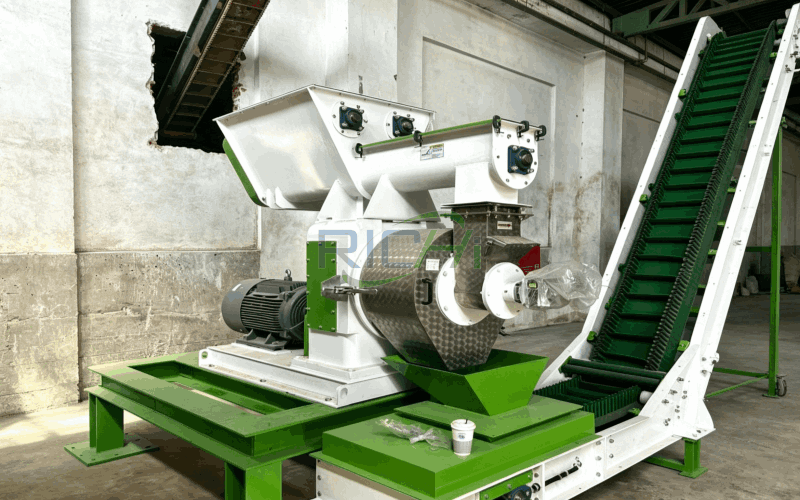
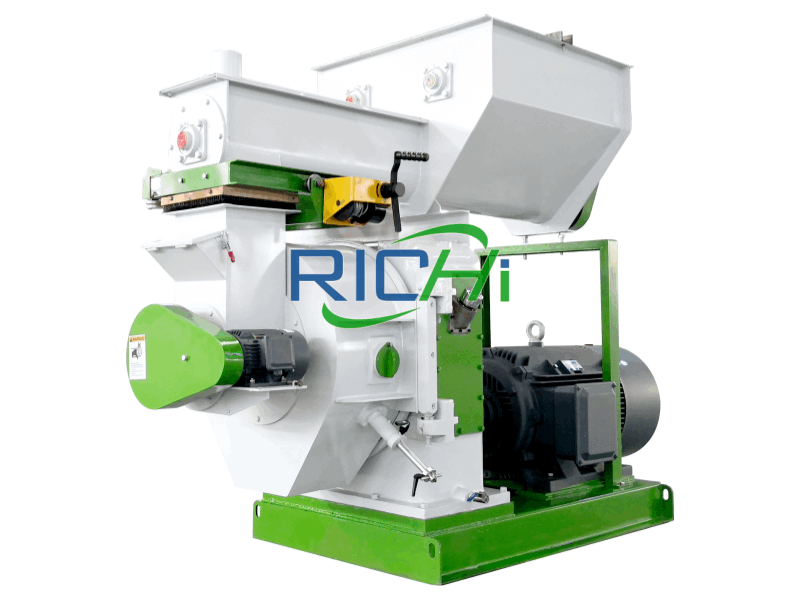
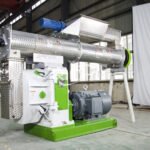
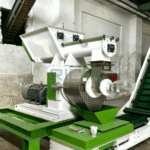
The pelletizing chamber is one of the most important areas to examine. The rollers and die must withstand continuous compression and friction. The feeding system should also deliver material consistently to avoid unstable operation.
A strong transmission system can help maintain stable operation under load. Easy access to maintenance points is another practical consideration because downtime can quickly become expensive in a commercial plant.
The supplier should be able to explain which components are wear parts, how they are replaced, and how spare parts can be obtained.
Why Project References Matter
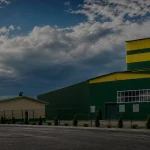
Past projects can provide useful insight into a manufacturer’s capabilities. Instead of only looking at machine photographs, potential buyers should examine whether the supplier has completed projects involving similar materials, capacities, and operating environments.
A supplier with experience across different agricultural residue projects may have encountered many of the practical challenges that first-time investors have not yet considered.
For example, a corn stalk project in a humid climate may require different moisture management from a dry-region project. Seasonal raw material storage can also influence the plant layout.
Comparing Complete Solutions
Some customers only need a pellet mill because they already own crushers, dryers, and conveyors. Others are starting from an empty site and need an integrated solution.
For the second group, comparing a pellet line for sale rather than only comparing individual pellet mills can provide a more accurate picture of the total investment.
The complete configuration should match the expected production capacity and raw material condition. Over-equipping a small project can increase unnecessary costs, while under-equipping a commercial plant can restrict output.
Building a Long-Term Supplier Relationship
Pellet equipment is expected to operate for years, so the supplier relationship should not end when the machine is shipped.
Installation support, commissioning guidance, operating instructions, maintenance recommendations, and spare parts can all influence the long-term performance of the project.
A reliable manufacturer therefore acts more like an engineering partner than a simple equipment seller. This is especially important for customers entering biomass pellet production for the first time.
view details: https://www.richimanufacture.com/corn-stalk-pellet-machine/