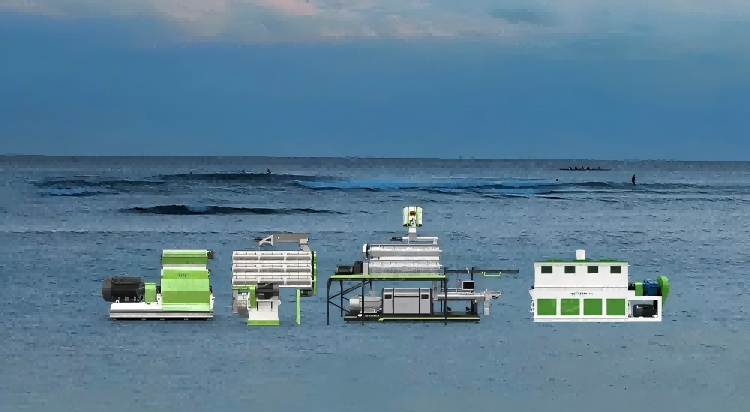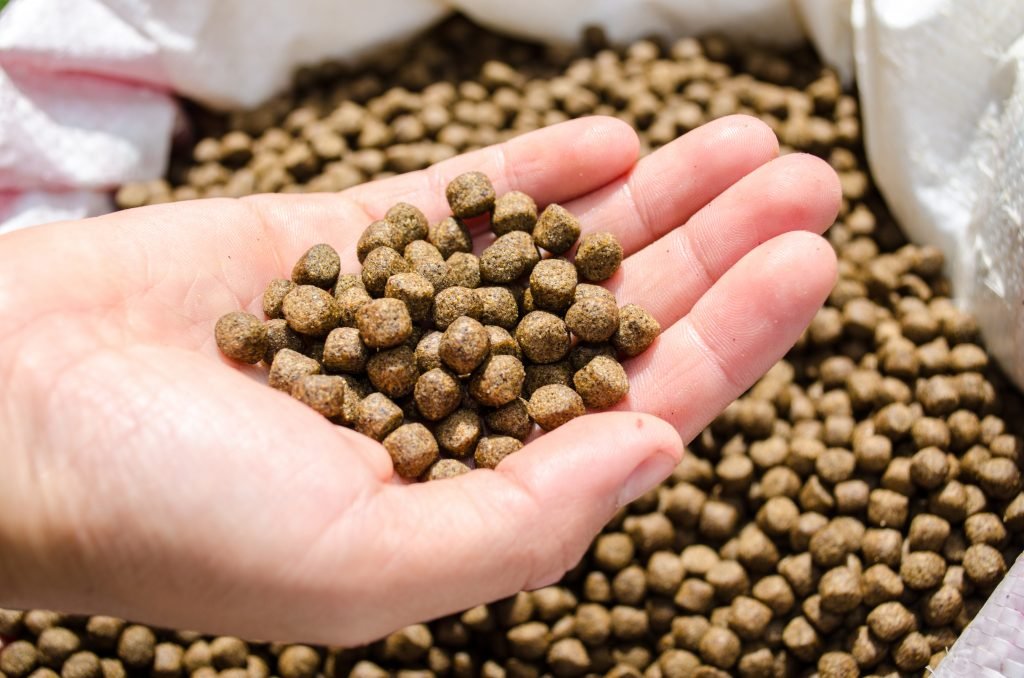




Fish feed extrusion has become one of the most important technologies in modern aquaculture feed production. As the global demand for aquatic products continues to increase, feed manufacturers need advanced processing methods to produce high-quality feed with excellent digestibility, water stability, and nutritional value. Extrusion technology makes it possible to transform various raw materials into floating feed, sinking feed, and slow-sinking feed suitable for different fish species.
However, achieving consistent extrusion performance is not simply a matter of operating an extruder. Many factors influence the quality, efficiency, and stability of the extrusion process, including raw material characteristics, moisture content, temperature, pressure, screw configuration, die design, and equipment type. Proper control of these factors determines whether the final feed pellets can achieve the desired properties, such as good expansion, strong water stability, high digestibility, and appropriate buoyancy.
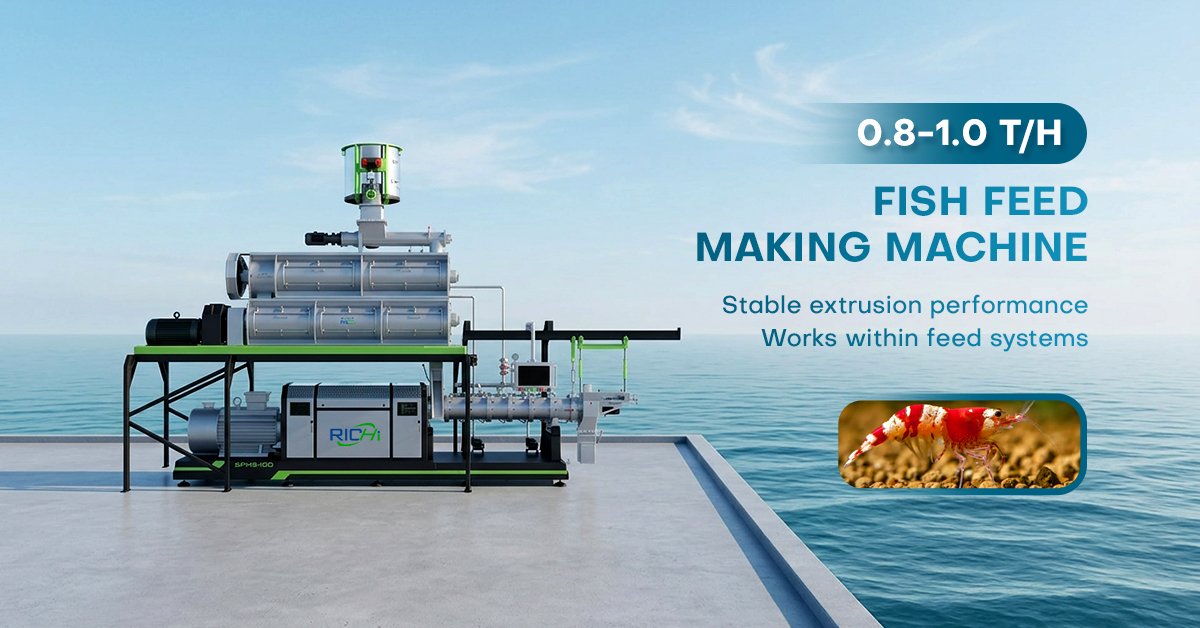
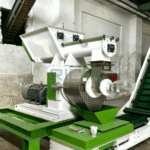
Different extrusion systems also have different processing characteristics. For example, a dry type fish feed extruder is commonly used for small and medium-scale fish feed production because of its simple operation and lower investment requirements, while wet extrusion systems are often preferred for large commercial aquafeed plants requiring higher production capacity and more precise processing control.
Understanding the key factors affecting fish feed extrusion performance helps manufacturers optimize production processes, improve feed quality, and achieve better economic returns.
Understanding Fish Feed Extrusion Performance
Fish feed extrusion performance refers to the overall effectiveness of the extrusion process, including processing stability, production efficiency, and final pellet quality.
A well-performing extrusion system should produce pellets with:
- Uniform size and shape
- Good floating or sinking characteristics
- Strong water stability
- High nutrient digestibility
- Proper hardness
- Low production waste
The extrusion process involves complex interactions between mechanical energy, thermal energy, moisture, and raw material properties. Any change in one factor may influence the final product.
For example, insufficient moisture may reduce pellet expansion, while excessive moisture may result in poor floating ability. Similarly, incorrect temperature control may affect nutrient quality and pellet structure.
Therefore, successful fish feed extrusion requires precise management of multiple processing conditions.
1. Raw Material Characteristics
Raw materials are one of the most important factors affecting extrusion performance. The physical and chemical properties of ingredients determine how they behave during processing.
Common fish feed ingredients include:
- Fish meal
- Soybean meal
- Wheat flour
- Corn
- Rice bran
- Vegetable protein sources
- Fish oil
- Vitamins and minerals
Each ingredient has different characteristics, such as starch content, protein level, fiber content, and fat content.
Starch Content
Starch plays a critical role in extrusion because it provides expansion and binding properties. During extrusion, starch absorbs water and gelatinizes under heat and pressure.
Ingredients with suitable starch levels generally improve:
- Pellet expansion
- Floating ability
- Pellet durability
- Feed binding
However, excessive starch may reduce nutritional balance, especially for carnivorous fish species requiring higher protein levels.
Protein Content
Protein is essential for fish growth, but high-protein formulas can affect extrusion behavior. Protein interacts with starch and water during processing, influencing pellet texture and expansion.
High-protein feed formulas often require optimized extrusion conditions to maintain good pellet quality.
Fiber Content
Fiber affects material flow and expansion. High fiber levels may reduce pellet density and expansion performance because fiber particles interrupt the formation of a compact structure.
Therefore, raw material selection and formula design must be carefully balanced.
2. Moisture Content During Extrusion
Moisture is one of the most important processing parameters in fish feed extrusion. The amount of water inside the extrusion system directly affects material flow, heat transfer, and pellet structure.
During extrusion, moisture performs several functions:
- Softens raw materials
- Improves ingredient mixing
- Promotes starch gelatinization
- Controls friction and temperature
Low Moisture Conditions
If moisture content is too low:
- Material may become difficult to process
- Excessive friction may occur
- Pellet quality may become unstable
- Expansion may decrease
High Moisture Conditions
If moisture content is too high:
- Pellet expansion may be reduced
- Drying costs may increase
- Floating performance may decline
Therefore, maintaining the correct moisture range is essential for achieving consistent extrusion results.
Wet extrusion systems generally provide better moisture control because they introduce additional water and steam during conditioning. However, dry extrusion systems can also achieve good performance when operating parameters are properly adjusted.
3. Temperature Control
Temperature is another critical factor influencing fish feed extrusion performance.
During extrusion, heat causes important physical and chemical changes, including:
- Starch gelatinization
- Protein modification
- Reduction of anti-nutritional factors
- Improved digestibility
However, temperature must be carefully controlled.
Insufficient Temperature
Low processing temperatures may result in:
- Incomplete starch gelatinization
- Weak pellet structure
- Poor digestibility
Excessive Temperature
Very high temperatures may cause:
- Nutrient degradation
- Reduced feed quality
- Changes in protein availability
Modern extrusion systems use advanced temperature control methods to maintain stable processing conditions and ensure consistent feed quality.
4. Pressure Inside the Extruder
Pressure is essential for creating the expansion effect required for floating feed production.
Inside the extrusion chamber, material is compressed under high pressure. When it exits through the die, the sudden pressure drop causes moisture evaporation and pellet expansion.
Pressure affects:
- Pellet density
- Expansion rate
- Internal structure
- Floating ability
Higher pressure generally increases expansion, but excessive pressure may create operational challenges and increase energy consumption.
Proper pressure control ensures the production of pellets with suitable density and durability.
5. Screw Speed and Screw Configuration
The screw system is the core component of an extruder. It controls material transportation, mixing, compression, and shear inside the barrel.
Screw speed influences:
- Residence time
- Mechanical energy input
- Material flow rate
- Degree of mixing
Higher Screw Speed
Increasing screw speed can improve production capacity, but excessive speed may reduce residence time and affect processing quality.
Lower Screw Speed
Lower speed increases processing time, which may improve material transformation but reduce output.
The screw configuration also affects extrusion performance. Different screw designs provide different levels of compression and shear, making them suitable for different feed formulas.
6. Die Design and Size
The die is responsible for shaping the final feed pellets. Its design directly influences pellet appearance, size, and density.
Important die factors include:
- Hole diameter
- Hole length
- Number of openings
- Die material quality
Smaller die holes are usually used for juvenile fish feed, while larger holes are suitable for adult fish feed.
The length-to-diameter ratio of die holes affects resistance during extrusion. Proper die selection helps achieve stable expansion and uniform pellet formation.
7. Equipment Type and Extrusion System Design
The type of extrusion equipment also affects production performance.
Dry Type Fish Feed Extruder
A dry type fish feed extruder uses relatively low moisture content and relies mainly on mechanical friction to generate heat during processing. It is commonly used for small-scale and medium-scale fish feed production.
Its advantages include:
- Simple operation
- Lower investment cost
- Easy maintenance
- Flexible production
Dry extrusion equipment is suitable for producing various types of aquatic feed, especially when production requirements are moderate.
However, compared with wet extrusion systems, dry extrusion may have limitations in expansion control and high-capacity production.
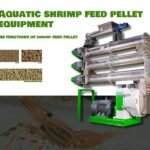
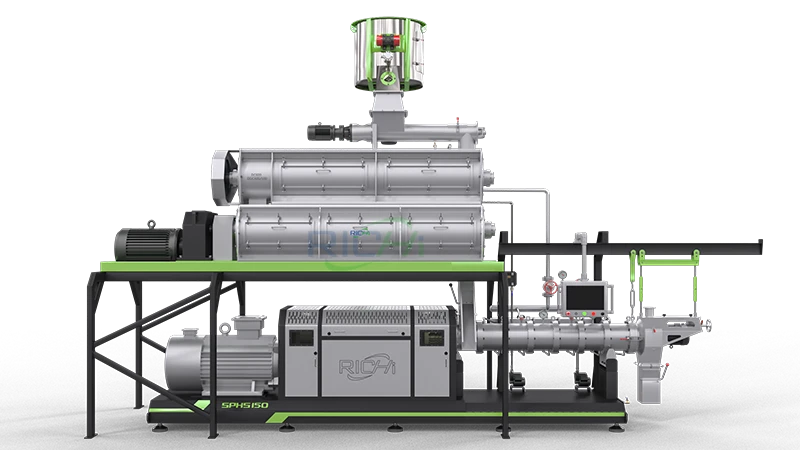
Wet Extrusion System
Wet extrusion systems add steam and water during conditioning, creating better control over processing conditions.
They are widely used in large commercial fish feed plants because they provide:
- Higher expansion performance
- Better starch gelatinization
- More stable floating feed production
- Greater processing flexibility
Selecting the right extrusion system depends on production scale, feed formula, product requirements, and investment goals.
https://richipelletizer.com/wet-type-fish-feed-extruder
8. Conditioning Process Before Extrusion
Conditioning is an important preparation stage before material enters the extruder.
During conditioning:
- Water is added
- Steam is introduced
- Ingredients are heated
- Moisture distribution improves
A good conditioning process ensures that raw materials enter the extruder in an ideal condition.
Poor conditioning may cause:
- Uneven extrusion
- Poor pellet quality
- Lower production efficiency
Advanced feed production lines often use multi-layer conditioners to improve mixing time and processing stability.
9. Feed Formula Design
The formula itself strongly affects extrusion performance. Different fish species require different nutritional profiles, and these formulas behave differently during processing.
Important formula factors include:
Protein Level
High-protein formulas may require special extrusion adjustments.
Fat Content
Excessive fat can reduce expansion because oil interferes with starch gelatinization.
Ingredient Balance
A proper balance between protein, starch, fiber, and moisture improves pellet quality.
Feed manufacturers often conduct extrusion tests before large-scale production to optimize formulas.
10. Drying and Cooling After Extrusion
The extrusion process produces pellets with relatively high moisture content. Proper drying and cooling are necessary to maintain feed quality.
Drying
Drying reduces moisture content and improves storage stability.
Poor drying may lead to:
- Mold growth
- Reduced shelf life
- Pellet deformation
Cooling
Cooling removes residual heat and stabilizes pellet structure.
A complete post-processing system ensures that extruded feed maintains its physical properties during transportation and storage.
(Related machine: industrial aqua feed plant)
11. Operator Experience and Production Management
Even with advanced equipment, skilled operation is essential for achieving stable extrusion performance.
Operators must monitor:
- Temperature changes
- Moisture levels
- Equipment load
- Pellet appearance
- Production output
Proper adjustments can prevent quality problems and maintain continuous production.
Regular equipment maintenance is also important. Wear parts such as screws, dies, and cutting systems should be inspected and replaced when necessary.
Improving Fish Feed Extrusion Efficiency
To achieve better extrusion performance, manufacturers should focus on several strategies:
Optimize Raw Material Formulas
Balanced formulas improve both nutritional value and processing stability.
Control Processing Parameters
Temperature, moisture, pressure, and screw speed should be adjusted according to feed requirements.
Choose Suitable Equipment
Selecting the correct extrusion system helps achieve the desired production capacity and product quality.
Use Automation Technology
Modern control systems improve accuracy and reduce human error.
Maintain Equipment Regularly
Proper maintenance ensures stable operation and longer equipment service life.
Future Trends in Fish Feed Extrusion Technology
The aquaculture industry continues to demand higher-quality feed and more efficient production methods. Future extrusion technology will focus on:
- Intelligent control systems
- Energy-efficient equipment
- Sustainable ingredient processing
- Customized feed production
- Improved automation
As feed formulas become more complex and aquaculture systems become more intensive, precise extrusion control will become increasingly important.
Conclusion
Fish feed extrusion performance is influenced by many factors, including raw materials, moisture content, temperature, pressure, screw configuration, die design, formula composition, and equipment selection. Each factor plays an important role in determining the final quality and efficiency of aquatic feed production.
A properly optimized extrusion process can produce fish feed with excellent digestibility, strong water stability, and suitable floating or sinking characteristics. Whether using a dry type fish feed extruder for flexible small-scale production or advanced wet extrusion equipment for large commercial operations, manufacturers must carefully control processing conditions to achieve the best results.
With the continuous development of aquaculture, fish feed extrusion technology will remain a key solution for producing efficient, sustainable, and high-performance feed products that support the future growth of the global aquafeed industry.