


If you’ve ever watched shrimp feed, you know it’s a unique process. Unlike chickens that peck at dry pellets on the ground, shrimp feed in a completely different environment—underwater. The pellets must sink at just the right speed. They must stay intact for hours without disintegrating. And they must deliver complete nutrition in a form that shrimp can actually consume.
It sounds simple. But the reality is that shrimp feed production is one of the most technically demanding areas of feed manufacturing. The equipment must be precise. The formulation must be exact. And the quality control must be rigorous. A pellet that works for a chicken won’t work for a shrimp. And a pellet that works for a fish might not work for a shrimp either. Shrimp have their own requirements, and meeting them requires specialized knowledge and equipment.
The Unique Challenges of Shrimp Feed
Shrimp feed faces a set of challenges that other animal feeds don’t. The first is water stability. A shrimp may take several hours to consume a pellet. During that time, the pellet is sitting in water. If it breaks apart, the nutrients are lost to the water. If it dissolves, the shrimp can’t eat it. The pellet must hold its shape for at least two hours, ideally longer.
The second challenge is sinking rate. Shrimp are bottom feeders. They don’t swim up to the surface to eat. The pellets must sink at a controlled rate—not too fast, not too slow. If they sink too quickly, they may embed in the substrate. If they sink too slowly, they may be carried away by water currents. The ideal sinking rate is typically 2 to 5 centimeters per second.
The third challenge is palatability. Shrimp are selective eaters. They can detect the presence of attractants in the feed. The feed must be formulated with ingredients that shrimp find appealing. The texture also matters—shrimp prefer pellets that are slightly soft on the outside but firm on the inside.
The fourth challenge is nutritional delivery. Shrimp require a diet high in protein, with a specific amino acid profile. The feed must contain sufficient levels of essential amino acids, fatty acids, vitamins, and minerals. The processing must preserve these nutrients without degrading them.
The Science of Shrimp Feed Processing
Shrimp feed is typically produced using extrusion technology. Extrusion is a high-temperature, high-pressure process that cooks the ingredients and shapes them into pellets. The process begins with grinding the ingredients to a fine powder. This is important because shrimp have small mouths and prefer small particles.
The ground ingredients are then mixed with water, steam, and sometimes binders. The mixture is fed into the extruder barrel, where it’s subjected to heat and pressure. The material is cooked as it travels along the barrel. At the die, the material is forced through small holes and cut to length.
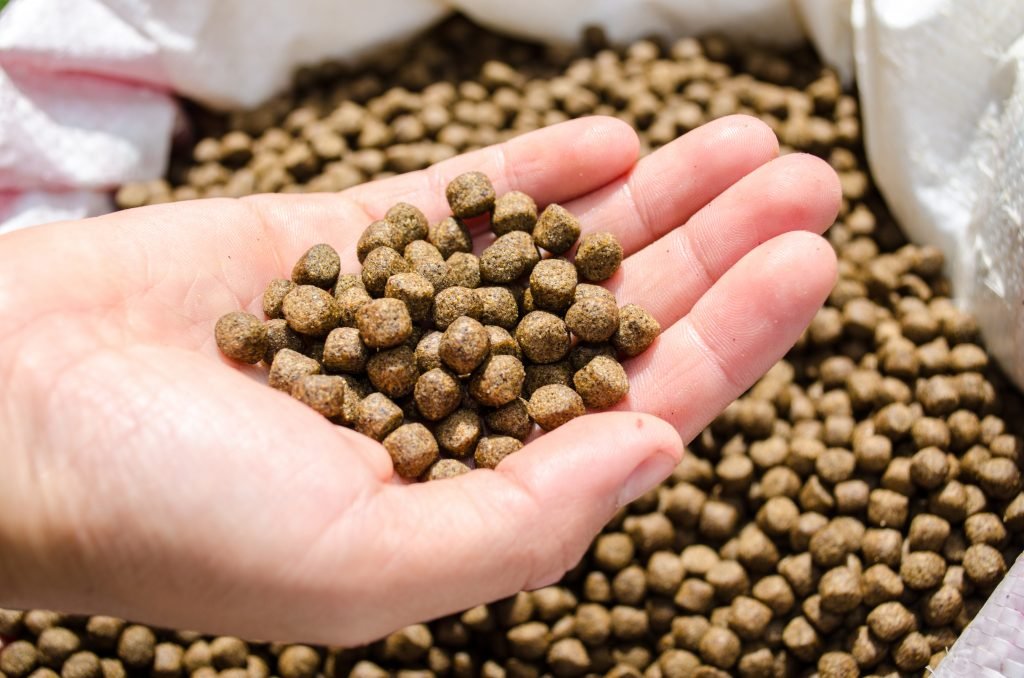
The extrusion process is what gives shrimp feed its unique properties. The cooking gelatinizes the starches, making them more digestible. The heat kills pathogens. And the expansion of the material as it exits the die creates the porous structure that affects the sinking rate.
After extrusion, the pellets are dried to reduce moisture content. Drying must be carefully controlled to prevent over-drying, which can make the pellets too hard, or under-drying, which can lead to mold growth. The dried pellets are then coated with oils and other additives. Coating can be done by spraying or by vacuum coating.
The Equipment That Makes It Happen
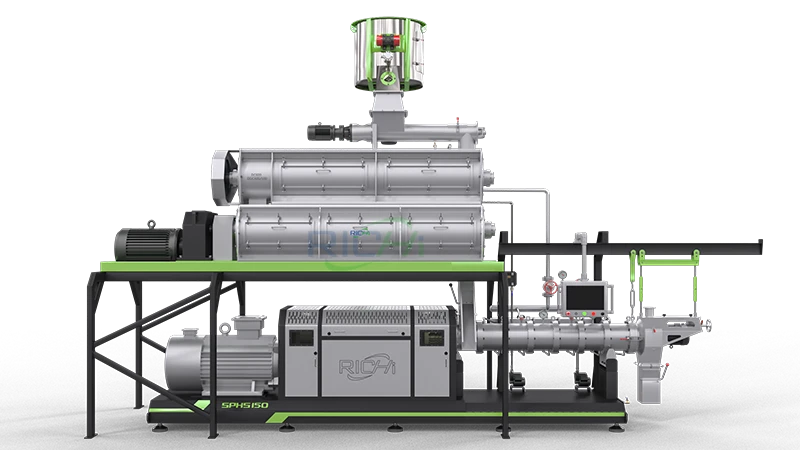
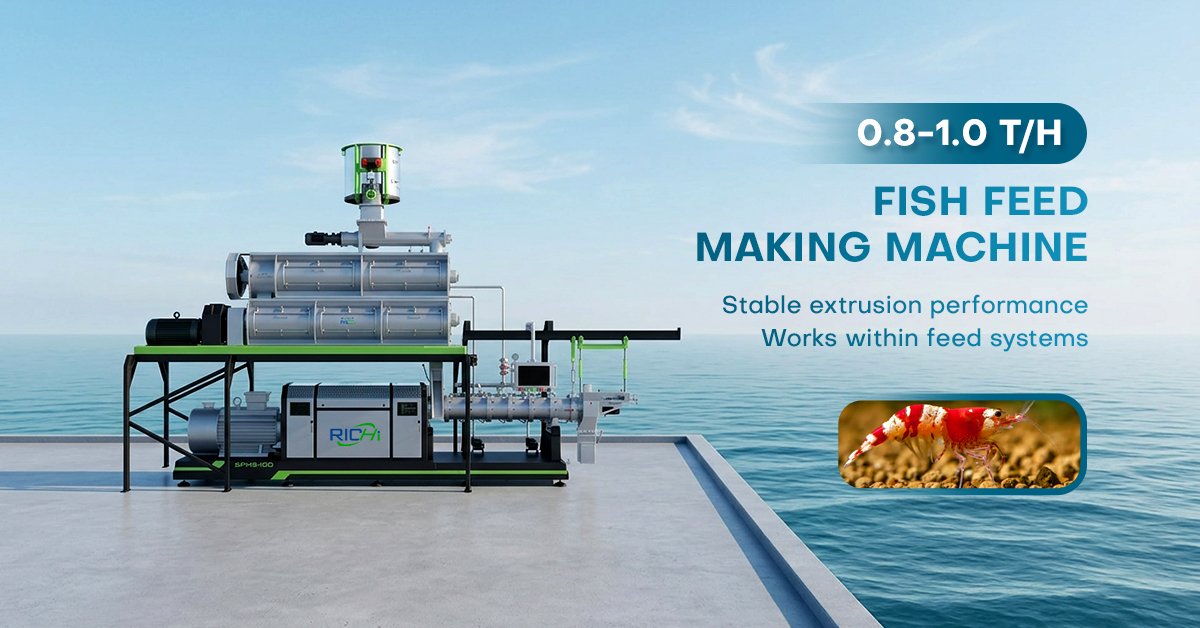
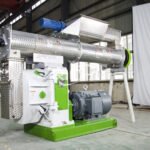
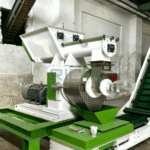
At the center of shrimp feed production is the shrimp feed making machine. This equipment must be designed specifically for the demands of aquatic feed. The extruder barrel must be constructed from wear-resistant materials, as the abrasive ingredients can cause wear. The die must be precisely machined to produce pellets of consistent size.
The shrimp feed making machine must also have precise controls. The temperature, pressure, and feed rate must all be monitored and adjusted. A small change in any parameter can affect the pellet quality. The sinking rate, in particular, is sensitive to processing conditions.
The capacity of the machine determines the scale of production. Small machines can produce a few hundred kilograms per hour. Large machines can produce several tons per hour. The choice depends on the volume of feed required and the space available.
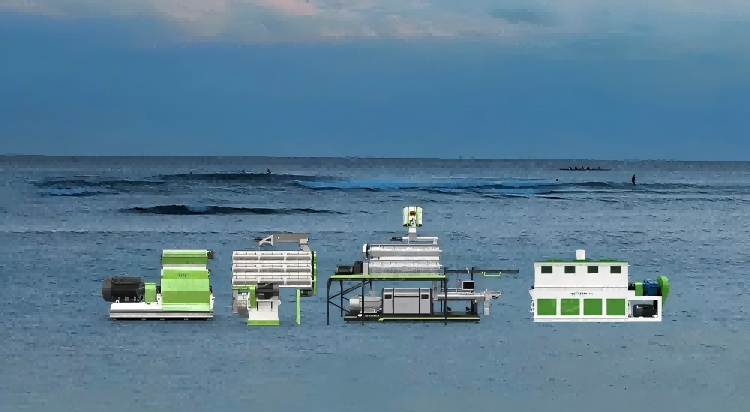
In addition to the extruder, the production line includes a grinder, mixer, dryer, and coater. The grinder reduces the ingredients to the correct particle size. The mixer blends the ingredients thoroughly. The dryer reduces the moisture content of the extruded pellets. The coater applies oils and other additives.
Durability in Shrimp Feed Pellets
Durability is one of the most important quality characteristics of shrimp feed. A durable pellet resists breakage during handling and transport. It also resists degradation in water. A pellet that breaks apart before the shrimp can eat it is wasted feed.
The durability of a pellet depends on several factors. The particle size of the ground ingredients is one. If the particles are too large, the pellet may be weak. If they’re too small, the pellet may be too dense. The conditioning of the material before extrusion also affects durability. Proper steam conditioning softens the ingredients and improves binding.
The extrusion process itself affects durability. The temperature and pressure determine the degree of cooking, which affects the binding of the ingredients. The die design affects the density of the pellet. The cooling and drying after extrusion affect the final hardness.
A durable feed pellet machine for sale on the market is typically designed with these factors in mind. The die and roller configuration, the conditioning system, and the control system all contribute to the production of durable pellets.
A Shrimp Farm’s Experience
A shrimp farm in Thailand had been using commercial feed for years. The feed was adequate, but the farm was experiencing high feed costs and some feed waste. The farm owner started looking for alternatives.
He visited other farms that produced their own feed and was impressed by the results. He researched the equipment and found a durable feed pellet machine for sale that met his requirements. He installed a small production line and started producing his own feed.
The transition wasn’t immediate. He had to learn about ingredient selection, formulation, and processing. But within a few months, he was producing feed that was as good as—or better than—the commercial product. His feed costs dropped by about 20%. The feed waste was reduced because the pellets were more durable. His shrimp were growing well and the farm was more profitable.
The key to his success was choosing the right equipment for his needs. The feed pellet machine was sized for his production volume. The manufacturer had experience with shrimp feed and provided guidance on setup and operation. The machine was durable and reliable, requiring minimal maintenance.
The Importance of Consistency
In shrimp feed production, consistency is everything. The shrimp need to receive the same quality feed every day. If the pellet size varies, the shrimp may not consume the pellets efficiently. If the sinking rate varies, the pellets may not reach the shrimp. If the nutritional content varies, the shrimp may not grow as expected.
Consistency depends on the equipment and the process. The grinder must produce a consistent particle size. The mixer must blend the ingredients thoroughly. The extruder must maintain consistent temperature and pressure. The dryer must reduce moisture to a consistent level.
The control system is a key part of this. Modern shrimp feed making machine systems include sensors and automation that maintain consistent conditions. The operator can monitor the process and make adjustments as needed. This reduces the variability that can affect pellet quality.
Quality Control in Shrimp Feed Production
Quality control in shrimp feed production starts with the raw materials. The ingredients should be tested for quality and consistency. The particle size of the ground ingredients should be checked regularly. The moisture content of the ingredients should be monitored.
During processing, the critical control points are the extruder temperature and pressure, the die configuration, and the drying conditions. Samples should be taken regularly and tested for pellet durability, water stability, and sinking rate.
The finished pellets should be tested for moisture content, durability, and nutrient composition. The palatability of the pellets should also be assessed, as shrimp can detect changes in feed quality.
For more information on equipment specifications and production systems, go to my blog for detailed guides and case studies. The right information can make the difference between a successful operation and a problematic one.
Looking at the Economics
The economics of on-farm shrimp feed production are favorable for many operations. The primary benefit is the reduced cost of feed. By buying ingredients in bulk and processing them on-site, the farm can avoid the markup that commercial feed mills add.
The savings depend on the volume of feed produced and the cost of commercial feed. For a farm producing significant quantities of feed, the savings can be substantial. The equipment investment typically pays for itself within two to three years.
There are other benefits as well. The farm has control over ingredient quality and can adjust the formulation based on shrimp needs. The feed is fresher, which can improve palatability. And the farm is less dependent on external suppliers.
The key to a successful transition to on-farm feed production is choosing the right equipment and learning the production process. The equipment is available, and the knowledge is accessible. With the right approach, shrimp feed production can be a profitable part of a shrimp farming operation.