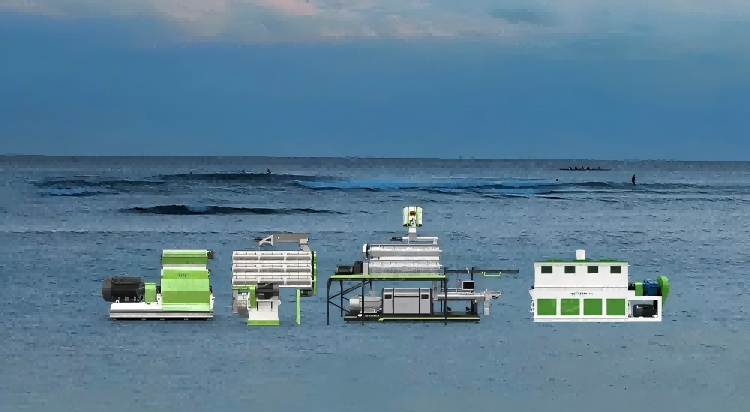



The Changing Requirements of Today’s Aquaculture Industry
The global aquaculture industry is experiencing rapid growth as seafood demand continues to increase. From small family-owned farms to large commercial operations, fish producers are searching for more efficient ways to improve production performance while reducing operating costs.
Among all factors affecting aquaculture success, feed management remains one of the most important. High-quality feed directly influences fish growth, feed conversion efficiency, water quality, and overall profitability.
However, producing high-performance aquatic feed requires advanced processing technology. Traditional methods may not provide enough control over pellet structure, nutrient preservation, or water stability. This has encouraged more manufacturers to adopt modern extrusion solutions.
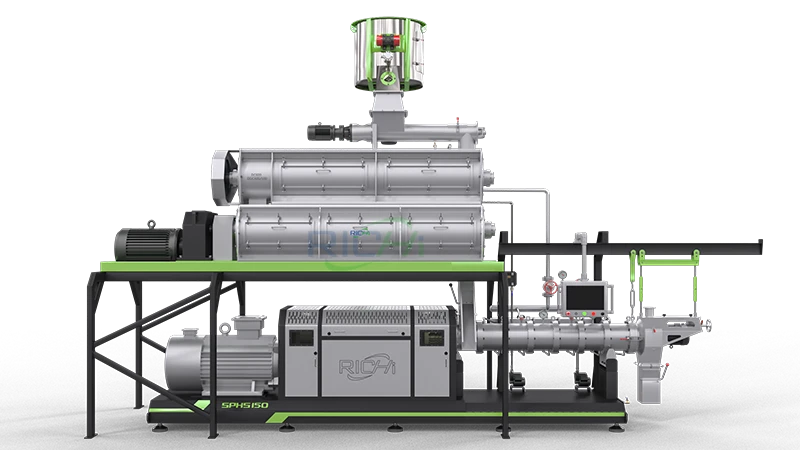
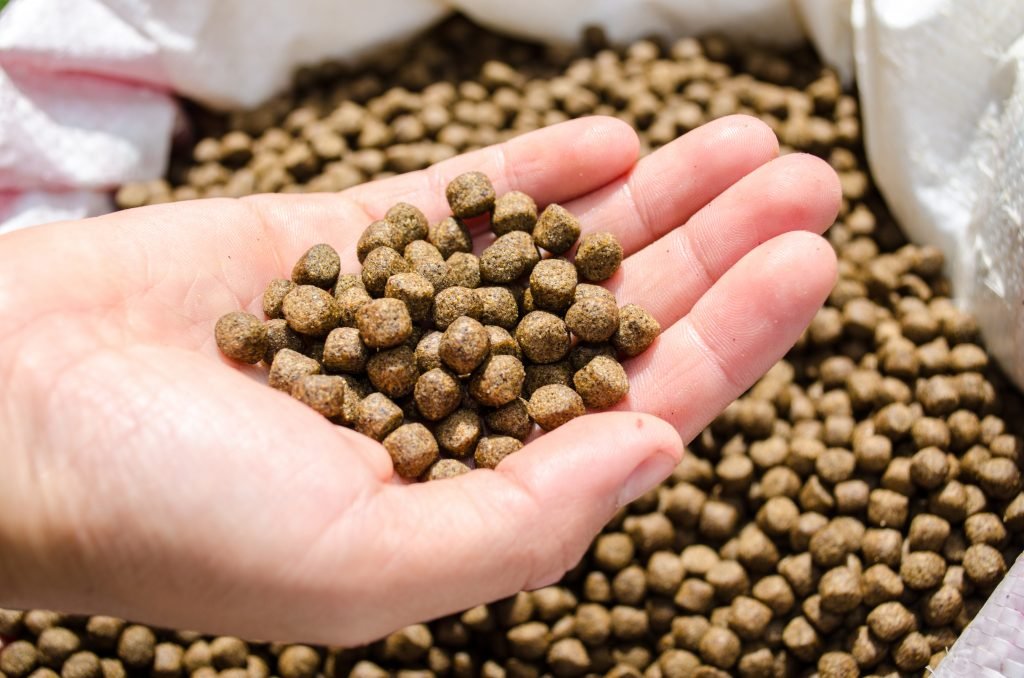
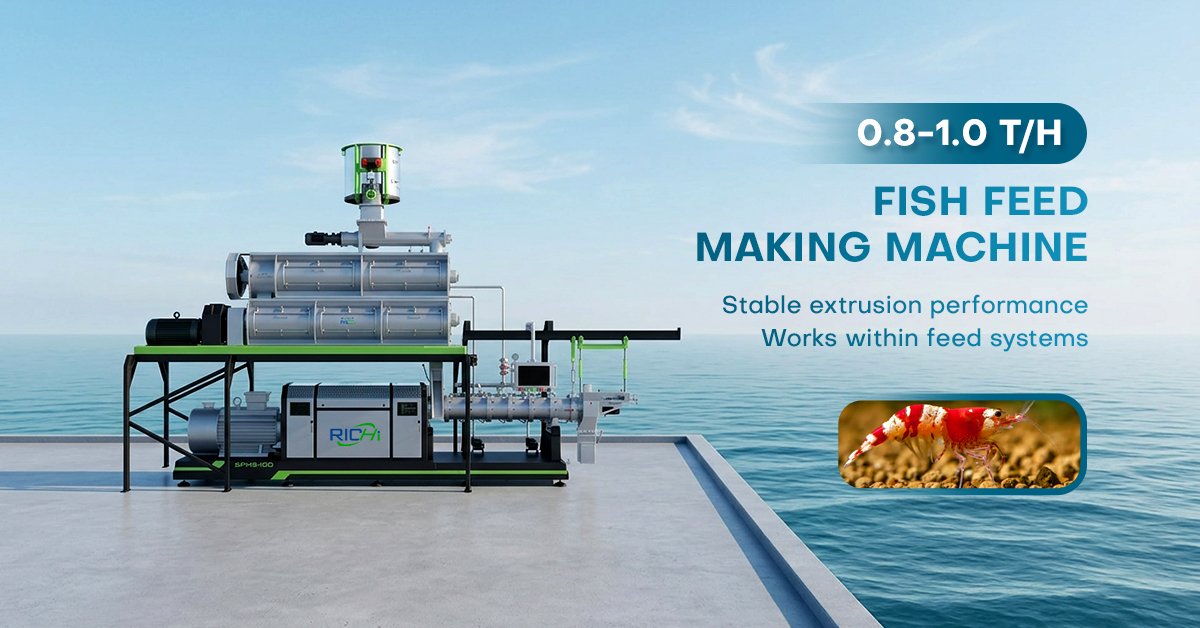
With advanced processing capabilities, a floating fish feed extruder machine helps feed producers manufacture pellets with consistent quality, excellent floating ability, and improved nutritional performance.
Why High-Quality Aquatic Feed Is Essential
Fish require balanced nutrition throughout different growth stages. Feed formulas must provide sufficient protein, carbohydrates, fats, vitamins, and minerals to support healthy development.
Poor-quality feed can create several challenges:
- Lower growth rates
- Higher feed consumption
- Increased production expenses
- Poor water conditions
- Reduced farming efficiency
High-quality extruded feed helps solve these issues by improving nutrient availability and reducing feed losses.
Floating pellets are especially valuable because farmers can observe feeding activity directly. This allows them to adjust feeding strategies and avoid unnecessary waste.
For commercial aquaculture businesses, better feed management can create significant economic benefits.
The Advantages of Extrusion-Based Feed Manufacturing
Extrusion technology has become widely used in aquatic feed production because it offers precise control over pellet characteristics.
The extrusion process applies controlled heat, moisture, and pressure to transform mixed ingredients into stable pellets.
Key advantages include:
Improved Digestibility
During extrusion, starch-based ingredients are processed to improve digestibility. Fish can absorb nutrients more effectively, supporting better growth performance.
Stronger Pellet Structure
Aquatic feed must maintain integrity after entering water. Extruded pellets are designed to resist rapid disintegration and maintain nutritional value.
Flexible Product Development
Manufacturers can adjust processing conditions to produce different types of feed according to customer requirements.
This flexibility allows feed companies to serve various markets and aquatic species.
Selecting Equipment Based on Production Goals
Choosing suitable feed processing equipment requires understanding production objectives.
Different businesses have different requirements depending on:
- Factory size
- Target customers
- Market demand
- Product types
- Investment capacity
For companies planning commercial-scale production, equipment such as a industrial sinking fish feed pellet extruder for sale can provide stable performance and support continuous manufacturing.
The right capacity selection helps businesses achieve efficient operation without unnecessary investment.
Raw Material Processing and Feed Quality
One of the major advantages of modern extrusion systems is their ability to process diverse raw materials.
Common ingredients used in aquatic feed production include:
- Fish meal
- Soybean meal
- Wheat flour
- Corn products
- Rice bran
- Protein concentrates
- Functional additives
Different formulas can be developed according to fish species and farming conditions.
For example, high-protein formulas may be used for carnivorous fish, while balanced plant-based formulas may be suitable for other species.
Flexible processing technology gives manufacturers greater control over product development.
The Importance of Complete Production Line Design
A successful aquatic feed project depends on the coordination of multiple production stages.
A complete production process usually includes:
Crushing
Raw materials are reduced to suitable particle sizes for better processing.
Mixing
Ingredients are evenly combined to ensure nutritional consistency.
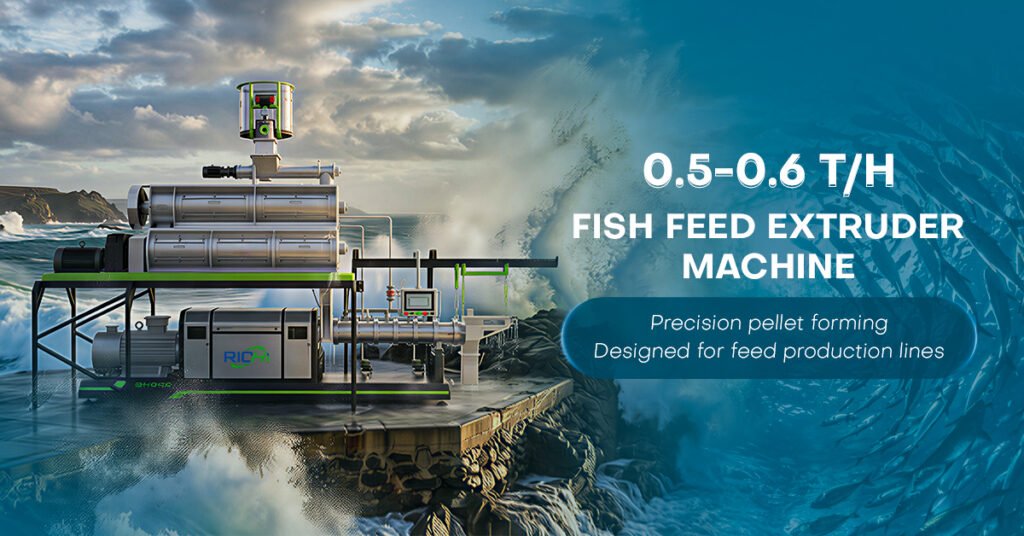
Extrusion
The extruder forms pellets with specific physical characteristics.
(Related Post: https://www.richipelletmill.com/twin-screw-fish-feed-extruder/)
Drying
Moisture is removed to improve storage stability.
Cooling and Screening
Final quality is improved by removing irregular particles.
Packaging
Finished feed is protected for transportation and sales.
A complete production approach improves efficiency and ensures consistent output.
Experienced suppliers such as Richi Pellet Machine provide customized equipment solutions based on different production requirements.
Improving Farm Performance Through Better Feed Management
Efficient feed management is essential for profitable aquaculture.
When feed quality improves, farmers can achieve:
- Better feed conversion ratios
- Reduced feed waste
- Faster growth cycles
- Improved water conditions
Floating feed provides additional advantages because farmers can monitor feeding behavior.
If fish consume feed efficiently, less organic material remains in the water, creating a healthier farming environment.
This relationship between feed quality and farm performance makes advanced feed processing technology increasingly valuable.
How Automation Supports Modern Feed Factories
The development of automation has further improved aquatic feed manufacturing.
Modern production systems can monitor and control important parameters, including:
- Temperature
- Moisture
- Pressure
- Production speed
- Material flow
Automation reduces operational errors and improves production stability.
For large-scale feed manufacturers, intelligent control systems help maintain consistent product quality while increasing output efficiency.
Technology integration also allows companies to better manage production costs.
Sustainable Benefits of Advanced Feed Technology
Sustainability is becoming increasingly important in global aquaculture.
Efficient feed production supports sustainable development by reducing waste and improving resource utilization.
Benefits include:
Lower Feed Loss
Durable pellets reduce nutrient leakage and unnecessary waste.
Better Resource Efficiency
Improved digestibility allows fish to gain more nutrition from each unit of feed.
Support for Alternative Ingredients
Extrusion technology enables manufacturers to explore new ingredients and develop more sustainable formulas.
These advantages help the aquaculture industry move toward greener production methods.
Expanding Business Opportunities in Global Markets
As seafood consumption increases, demand for professional aquatic feed production equipment continues to grow.
Many regions are investing in modern aquaculture infrastructure, creating opportunities for feed manufacturers.
Growing markets include:
- Asia
- South America
- Africa
- Middle East
- Europe
Businesses that adopt advanced processing technology can improve competitiveness and provide higher-quality feed products.
Reliable equipment and professional technical support are important factors for successful project development.
Companies interested in exploring more industry solutions can straight from the source to access additional information about aquatic feed processing technologies.
Important Factors Before Investing in Extrusion Equipment
Before purchasing equipment, manufacturers should carefully evaluate their production plans.
Important considerations include:
Feed Type
Determine whether the factory will produce floating feed, sinking feed, or specialty aquatic products.
Capacity Requirements
Select equipment according to current production needs and future expansion plans.
Equipment Reliability
Stable operation and easy maintenance are essential for reducing downtime.
Technical Service
Professional installation and after-sales support help ensure long-term performance.
A complete evaluation allows businesses to choose the most suitable solution.
Future Trends in Aquatic Feed Manufacturing
The future of aquatic feed production will focus on efficiency, automation, and sustainability.
Important trends include:
- Smart manufacturing systems
- Energy-saving technologies
- Customized nutrition solutions
- Advanced ingredient processing
- Improved production monitoring
As aquaculture continues developing, advanced extrusion technology will remain a critical factor in improving feed production.
Conclusion
Aquatic feed innovation is transforming modern fish farming by improving efficiency, reducing waste, and supporting sustainable development.
Advanced extrusion equipment enables manufacturers to produce high-quality pellets with better nutritional value, stability, and consistency.
For businesses seeking long-term growth in the aquaculture industry, investing in reliable feed processing technology is an important step toward improving competitiveness and meeting future market demands.