






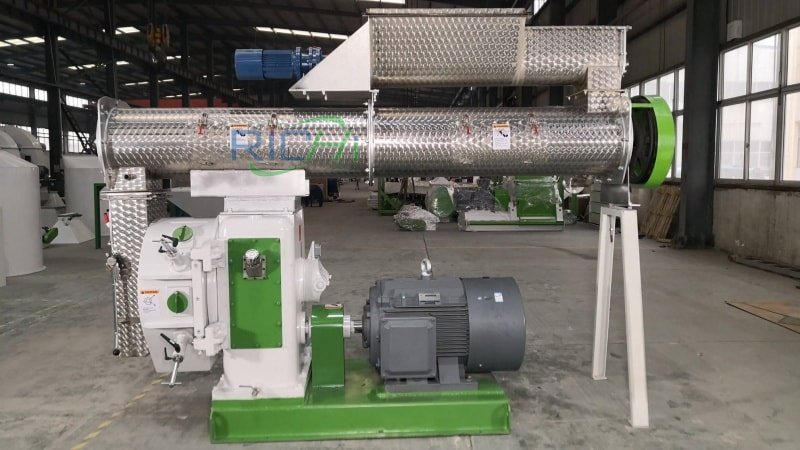
Cassava has long been recognized as one of the world’s most versatile crops. From food processing and starch production to animal feed and biomass fuel, nearly every part of cassava can be utilized. However, large amounts of cassava chips, peels, pulp, and residues are often wasted or sold at very low prices.
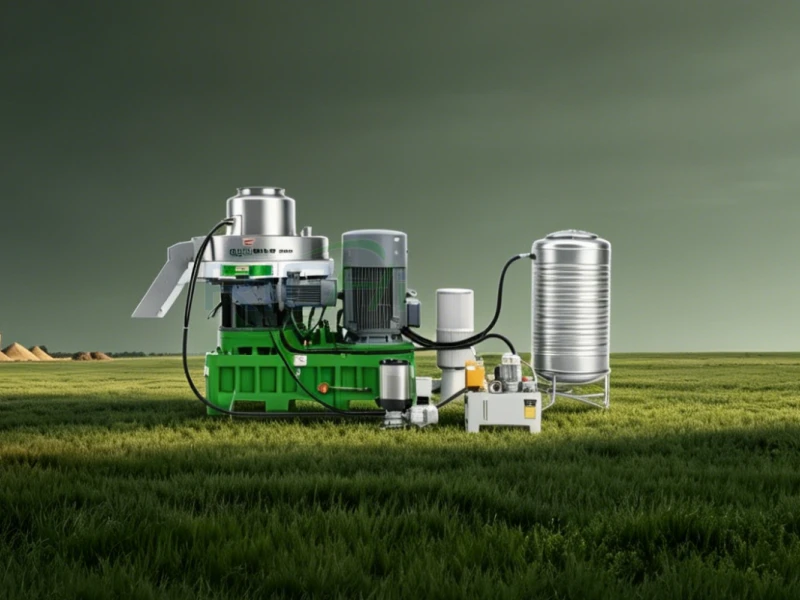
Today, advanced pelletizing technology is changing that situation. More producers are discovering that converting cassava materials into pellets creates additional revenue streams while reducing waste. This is exactly why the cassava pellet making machine has become increasingly popular among feed mills, biomass plants, and agricultural processing enterprises.
Instead of treating cassava by-products as waste, manufacturers are now turning them into value-added products suitable for livestock feed, industrial fuel, and export markets.
Why Cassava Pellets Are Gaining Popularity Worldwide
Several factors are driving the growth of cassava pellet production.
Abundant Raw Materials
Cassava cultivation generates:
- Cassava chips
- Cassava starch residue
- Cassava peels
- Cassava leaves
- Cassava pulp
- Tapioca flour waste
These materials are available in large quantities throughout Southeast Asia, Africa, and South America.
Growing Demand for Biomass Fuel
Industries are replacing coal with renewable biomass fuel to reduce carbon emissions.
Increasing Feed Requirements
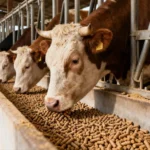
Cassava pellets are used in cattle, sheep, pig, and poultry feed formulations.
Easier Transportation
Pellets possess higher density and lower transportation costs compared with loose powder.
These advantages make pellet production an attractive business opportunity.
What Materials Can Be Processed?
Modern pellet equipment offers excellent flexibility.
Suitable materials include:
- Fresh cassava chips
- Cassava flour
- Cassava residue
- Tapioca waste
- Sweet potato residue
- Corn stalk powder
- Rice husk
- Wheat bran
- Soybean meal
Many users appreciate the ability of a cassava pellet machine to process multiple agricultural by-products without requiring separate production lines.
This versatility improves equipment utilization and profitability.
Understanding the Complete Production Process
Producing quality pellets involves several stages.
Crushing
Raw materials are first reduced to appropriate particle sizes.
Uniform particles improve pellet quality and machine performance.
Drying
Moisture content greatly affects pellet quality.
Most materials require moisture levels between 12% and 15%.
Rotary dryers are commonly used for this purpose.
Mixing
Additives or binders can be mixed with raw materials to improve pellet durability.
Uniform mixing contributes to stable product quality.
Pelletizing
During pelletizing, rollers compress the material through die holes to form dense pellets.
Modern pellet systems provide:
- Stable output
- Uniform pellet size
- Low energy consumption
- Long service life
Companies such as Richi manufacture have focused on improving machine reliability and energy efficiency, helping users maximize returns from cassava processing projects.
Cooling and Packaging
Fresh pellets are cooled to reduce moisture and improve hardness before packaging and storage.
Why Agricultural Waste Is Becoming a New Source of Revenue
Traditional disposal methods often create environmental challenges.
Pellet production offers a sustainable alternative.
Benefits include:
Reduced Waste
Residues are converted into valuable products rather than discarded.
Higher Selling Prices
Pellet products command better market value than loose materials.
Lower Transportation Costs
Compressed pellets occupy less volume.
Improved Storage Performance
Pellets remain stable during long-distance transportation.
This circular economy model is becoming increasingly popular around the world.
Can One Production Line Process Other Materials?
Absolutely.
Many investors want equipment capable of handling multiple biomass materials.
For example, some factories combine cassava residue with sugarcane bagasse.
In these situations, a 5 tph bagasse pellet machine can complement cassava processing operations and expand production capacity.
Such integrated systems provide:
- Flexible raw material options
- Better equipment utilization
- Diversified product portfolios
- Improved profitability
This approach reduces dependence on a single raw material source.
Key Factors Affecting Pellet Quality
Moisture Content
Too much moisture results in soft pellets.
Too little moisture increases energy consumption.
Compression Ratio
Proper die configuration determines pellet density.
Particle Size
Fine particles improve pellet strength.
Temperature
Conditioning temperature influences gelatinization and binding characteristics.
Cooling Efficiency
Proper cooling prevents pellet cracking.
Controlling these parameters ensures premium-quality pellets suitable for feed and fuel applications.
Typical Applications of Cassava Pellets
Livestock Feed
Used for cattle, sheep, and pig feed formulations.
Biomass Fuel
Industrial boilers and biomass power plants increasingly use pellet fuel.
Export Markets
Many countries import agricultural pellets as renewable energy resources.
Organic Fertilizer Carriers
Pellets improve transportation and handling.
Because of these applications, market demand continues to grow steadily.
Automation Improves Productivity
Modern pellet plants incorporate:
- PLC control systems
- Frequency-conversion feeding
- Automatic lubrication
- Intelligent monitoring
- Energy-saving motors
These technologies reduce labor requirements while increasing productivity.
Complete pellet plant solutions often integrate crushing, drying, pelletizing, cooling, and packaging into a continuous production process.
This greatly enhances efficiency and product consistency.
Common Problems and Solutions
Low Output
Possible causes:
- Excessive moisture
- Worn rollers
- Poor feeding uniformity
Solutions:
- Optimize moisture
- Replace components
- Adjust feeding speed
Broken Pellets
Reasons:
- Insufficient compression
- Inadequate cooling
Solutions:
- Modify die specifications
- Improve cooling systems
High Power Consumption
Causes:
- Improper raw material preparation
- Excessive moisture
Solutions:
Many operators check my source when analyzing production data and reviewing successful project cases shared by experienced manufacturers.
Learning from existing projects often saves considerable time and costs.
Future Trends
The global biomass industry is evolving rapidly.
Several trends are emerging:
- Carbon neutrality initiatives
- Renewable energy expansion
- Agricultural waste recycling
- Smart manufacturing
- Flexible multi-material processing
These factors will continue driving demand for cassava pellet production technology.
Conclusion
Agricultural waste no longer needs to be a burden. With advanced cassava pellet making machine technology, producers can transform low-value materials into profitable products. Combined with flexible systems like the 5 tph bagasse pellet machine, and supported by experienced suppliers such as Richi manufacture, investors can establish efficient and profitable businesses. Complete pellet plant solutions further enhance automation and long-term returns.
Related Post:https://pelletizerequipment.com/paper-pellet-machine/