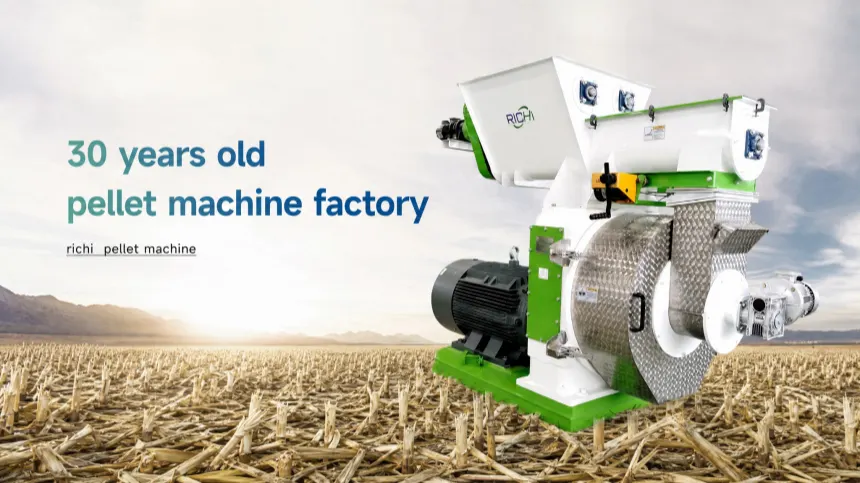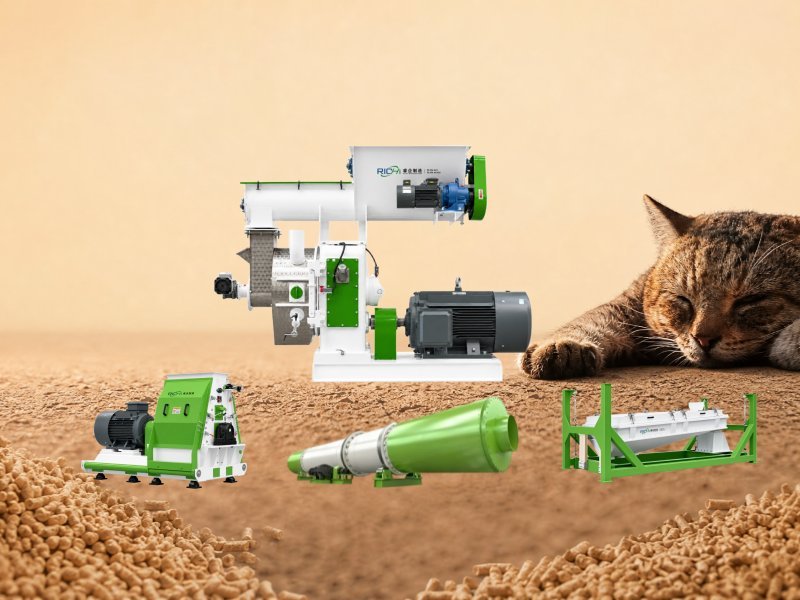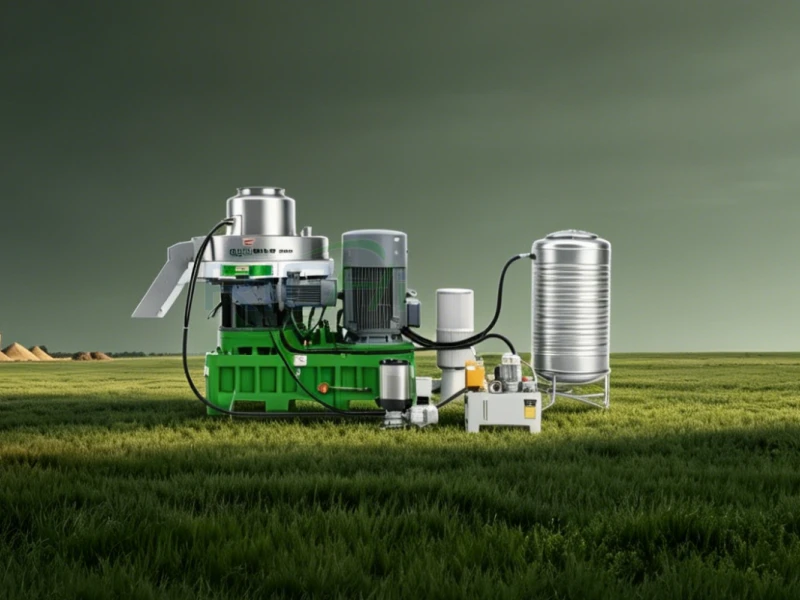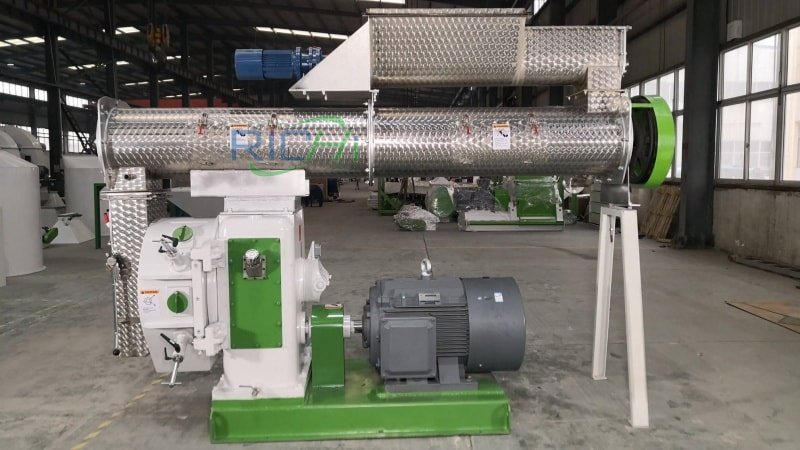





The investment required for bamboo pellet production depends on much more than the basic machine itself. Raw-material condition, required capacity, pellet diameter, motor configuration, drying requirements, automation, and auxiliary equipment can all influence the final project cost.
When comparing bamboo pellet machine price and capacity, buyers should therefore look at the complete production process instead of choosing equipment based only on the lowest quotation.

Capacity Should Match Raw-Material Supply
Production capacity is one of the first factors to consider.
A small producer with a limited supply of bamboo may only need a compact pelletizing system. A commercial biomass factory processing several tons of material every day will require a larger machine and a higher-capacity material-handling system.
The planned operating hours also affect the required capacity.
For example, a producer that needs to process 5 tons of bamboo per day could use a smaller machine for several hours, while a factory planning continuous operation may select higher-capacity equipment.
The available raw material should be considered alongside the desired output.
Why Does Bamboo Condition Affect Cost?
Bamboo can arrive in very different forms.
Freshly harvested bamboo may contain significant moisture and may require cutting, crushing, and drying. Dried bamboo residues can reduce the preparation requirements.
A project using bamboo chips that already have a suitable particle size may need fewer preparation machines than a project receiving whole bamboo.
Consequently, two projects with the same target pellet output can have different equipment configurations and different investment levels.
Is a Dryer Always Required?
No.
A dryer is normally considered when the raw material contains more moisture than the pelletizing process can handle efficiently.
If the bamboo has already been naturally or mechanically dried to a suitable condition, a separate drying stage may not be necessary.
This is one reason raw-material testing should be completed before finalizing a quotation. Adding unnecessary drying equipment increases both the initial investment and energy consumption.
How Does Pellet Diameter Affect Capacity?
Pellet diameter can influence production performance.
Different die specifications provide different pellet sizes. Smaller pellets may require different operating conditions from larger fuel pellets.
The desired diameter should therefore be specified before equipment selection.
If the factory plans to produce several pellet sizes, interchangeable dies can provide greater flexibility.
However, changing product specifications may also require adjustments to feeding, conditioning, and operating parameters.
Comparing Different Biomass Pellet Machines
Bamboo is not the only agricultural material that can be pelletized.
For example, a cotton stalk pellet machine belongs to the same general class of biomass pelletizing equipment but processes cotton stalks rather than bamboo.
Cotton stalks can have different moisture, fiber structure, ash characteristics, and particle properties. Therefore, the machine configuration should be selected according to the actual raw material.
The comparison illustrates why biomass pellet machines should not be evaluated only by their advertised capacity.
Motor Power and Electrical Requirements
Motor power is closely related to production capacity and raw-material characteristics.
A higher-capacity machine generally requires a larger motor, but the actual electrical demand also depends on the material being processed and the complete line.
Buyers should check:
- Voltage
- Frequency
- Phase
- Main motor power
- Auxiliary motor power
- Total connected load
The electrical system of the factory should be able to support the entire production line, including crushers, dryers, conveyors, coolers, and packing equipment.
What Auxiliary Equipment Adds to the Investment?
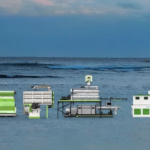
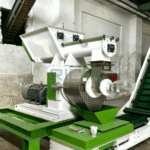
A basic bamboo pellet system may include a hammer mill, pellet mill, cooler, and screener.
A more complete project may add:
- Bamboo cutter
- Dryer
- Conveyors
- Storage bins
- Automatic feeding
- Packing machine
- Dust-control equipment
- Electrical control system
The final cost therefore depends heavily on how complete and automated the project needs to be.
A small farm producing pellets for its own use may choose a simpler configuration, while a commercial factory selling fuel pellets may require a more integrated system.
How Does Automation Affect the Budget?
Automation can reduce manual material handling and improve process control, but it generally increases the initial equipment investment.
A basic system may rely on manual feeding and packing. A larger factory can use automatic weighing, conveying, storage, centralized controls, and automatic packaging.
The appropriate level depends on production volume, available labor, and the expected growth of the business.
What Capacity Should a New Project Choose?
Instead of selecting the largest available machine, buyers should calculate their actual production requirements.
Consider:
- Daily bamboo availability
- Target pellet output
- Operating hours
- Future expansion
- Local electricity supply
- Available factory space
For example, a small biomass producer may benefit more from a well-matched compact system than from installing a large machine that cannot be supplied with enough raw material.
Complete Production Cost vs. Machine Price
The pellet mill is only one part of the investment.
A complete pellet production line may also require crushing, drying, conveying, cooling, screening, storage, and packing equipment.
Installation, electrical work, factory preparation, spare parts, and transportation can also affect the total project budget.
For this reason, buyers should request a complete equipment configuration rather than comparing a single machine price between different suppliers.
A practical quotation should clearly show the machine model, capacity, motor power, auxiliary equipment, pellet size, electrical specification, and scope of supply.
With these details, producers can make a more meaningful comparison between different bamboo pellet projects. Find out here now about biomass pellet equipment, capacity planning, and complete production-line configurations.
Related Post: https://pelletizerequipment.com/paper-pellet-machine/