




A poultry feed line that changes formulas frequently should be designed around controlled transitions, not only maximum hourly output. The practical objective is to move from one recipe to the next without losing ingredient traceability, dosing accuracy, mixer uniformity, pellet quality, or too much production time. That requires decisions about storage, batching, conveying, sequencing, cleaning, automation, and verification before equipment capacities are finalized.
The most reliable design starts with a formula-change map. List every product family, the expected campaign size, sensitive ingredients, medication or additive restrictions, physical form, pellet diameter, and the number of transitions per shift. A plant making long runs of similar broiler feeds has a different risk profile from a commercial mill switching among starter, grower, layer, breeder, and customer-specific feeds. The equipment may look similar, but the control philosophy and operating schedule should not be.
Define Changeover Risk Before Selecting Capacity
Nominal capacity describes what a line can process under favorable, steady conditions. Frequent changeovers reduce the time available for steady production. Each transition may include finishing the previous batch, clearing weigh hoppers, confirming bin identity, flushing a shared conveyor, changing screens or die settings, adjusting steam, and waiting for the first acceptable product from the next run. If these activities are ignored, the line may be sized correctly on paper yet miss its daily production plan.
Build a shift model using realistic campaign lengths. Separate productive minutes from planned sanitation, sampling, die or roll adjustment, start-up stabilization, and unplanned recovery. The result should be a required sustained rate, not a simple annual tonnage divided by operating hours. A modest capacity reserve may protect the schedule, but excessive oversizing can create poor equipment loading, unstable flow, and higher capital cost. The right reserve depends on change frequency and the weakest process stage.
Group Formulas Into Compatible Production Families
Production sequencing is the first control against carryover. Group recipes by species, life stage, physical form, color, odor, fat level, and sensitive additives. Within a compatible family, move from lower-risk to higher-risk formulas when the quality plan permits. Do not assume that sequencing alone resolves regulated or customer-specific separation requirements. Those requirements must be translated into documented flush quantities, validated cleaning procedures, dedicated components, or complete physical separation.
The schedule should also account for pellet diameter and conditioning demand. Switching repeatedly between mash and pellets, or between substantially different die sizes, can consume more time than moving between similar formulas. A planner should see these technical constraints in the production system rather than discover them after orders are released. Campaign planning can reduce changeovers without increasing finished-goods inventory beyond storage life or sales demand.
Design Ingredient Storage For Traceability And Flexibility
More bins do not automatically create more flexibility. The useful question is whether the storage arrangement prevents ingredient substitution errors and supports the expected recipe sequence. Major ingredients need adequate working volume, while low-inclusion materials need controlled identification and replenishment. Bin assignment rules should prevent a new material from being loaded into a bin that still contains an incompatible residue. Level indication, lot records, and positive route confirmation are part of the design, not administrative extras.
Micro-ingredient handling deserves special attention because a small dosing error can have a large nutritional effect. Decide which materials will be automatically dosed, manually added, pre-blended, or kept in dedicated systems. Manual additions require barcode or equivalent identity checks, ergonomic access, dust control, and a confirmation step tied to the batch record. Automation reduces some errors but creates dependence on calibration, sensor health, and master-data discipline.
Protect Weighing And Batching Accuracy
A batching system must be accurate across both large and small target weights. Fast feed rates shorten cycle time but can increase overshoot. Fine-feed control improves accuracy but may become a bottleneck. The design should therefore use staged feeding, appropriate screw or gate selection, stable material flow, and tolerances that reflect nutritional and commercial risk. Each scale needs accessible test points and a calibration plan covering the actual working range.
Formula changes also expose weaknesses in material flow. Fibrous ingredients may bridge, oily materials may adhere, and fine powders may continue to fall after a gate closes. These behaviors affect both dosing and carryover. Hopper geometry, agitation, flexible connectors, venting, and feeder selection should be based on material trials or credible experience with comparable ingredients. A control system cannot compensate indefinitely for poor mechanical flow.
Control Carryover At Shared Transfer Points
Carryover often accumulates in places that are difficult to see: elevator boots, conveyor returns, diverter pockets, dead legs, aspiration ducts, surge bins, and the space above slide gates. Review the complete route from receiving through packing and identify every shared volume. The route should minimize horizontal ledges and inaccessible pockets, provide cleanout access, and allow operators to confirm that a device has fully discharged before the next formula begins.
Dedicated lines can reduce risk but increase investment and leave assets underused when production demand changes. Shared lines are more flexible but require stronger validation and scheduling discipline. A practical compromise may dedicate only the highest-risk section or material while using cleanable shared equipment elsewhere. The decision must follow the hazard assessment and customer requirements rather than a general preference for either simplicity or automation.
Make Mixing Performance Recipe-Aware
Mixer performance should be proven for representative recipes, batch fill levels, and mixing times. A test on one easy-flowing formula does not establish performance for every product. Differences in particle size, density, liquid addition, and fiber can change mixing behavior. Frequent formula changes make it important to store validated parameters by recipe and prevent unauthorized changes to mixer time, fill sequence, or liquid application.
Discharge completeness is as important as uniformity. Inspect the mixer door, seals, shaft penetrations, and downstream hopper for retained material. A fast mixer that leaves a significant heel may increase cross-contact and extend cleaning time. Maintenance access should allow worn seals or buildup to be corrected before they become routine quality deviations. Sampling locations must represent the batch without exposing operators to unsafe access.
Stabilize Conditioning And Pelleting After A Change
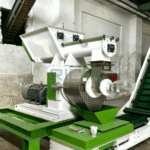
Different formulas respond differently to moisture, heat, retention time, and mechanical pressure. Operators need recipe-specific starting windows for feed rate, steam pressure, conditioner settings, die selection, and roll adjustment. These are controlled operating ranges, not guarantees. The first material after a change should be identified and evaluated because the conditioner and pellet mill contain residual product and need time to reach a stable thermal and mechanical condition.
Aggressive settings may restore throughput quickly but can increase blockage risk, motor load, fines, or nutrient damage. Conservative settings protect the machine but may prolong off-specification production. The changeover procedure should state who can release the product, which measurements are required, and what happens to transition material. Rework rules must prevent unidentified material from re-entering an incompatible formula.
Use Automation To Enforce Decisions, Not Hide Them
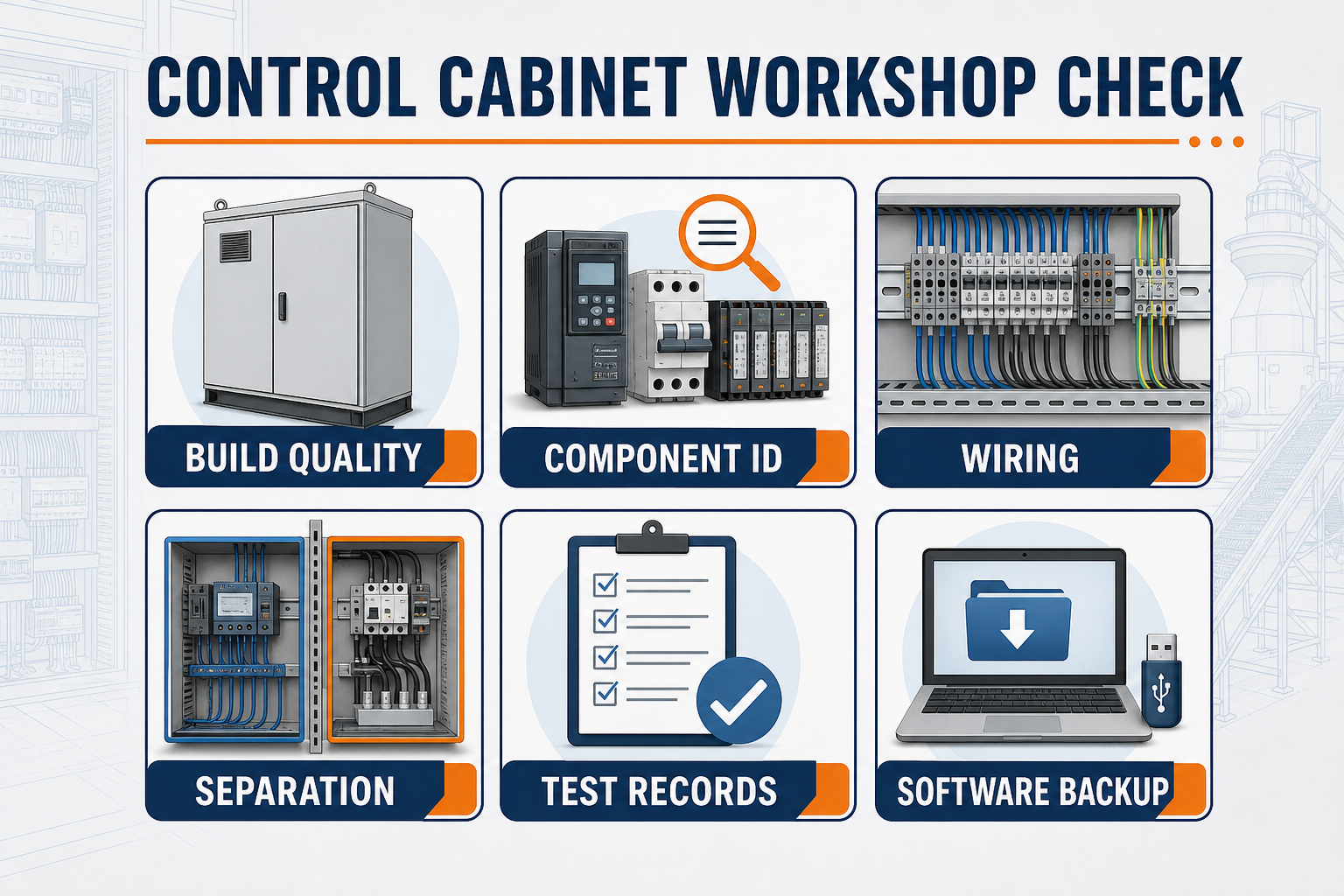
The control system should connect recipe authorization, bin assignment, route selection, scale tolerances, manual-add confirmation, mixer parameters, pelleting settings, and lot records. Interlocks should prevent a batch from advancing when a critical identity or weight check fails. Alarm design should distinguish a condition that requires immediate shutdown from one that permits controlled completion. Too many weak alarms encourage operators to acknowledge warnings without investigation.
Master data needs ownership. A technically capable automation platform will still produce errors if ingredient codes, tolerances, formulas, or routing tables are changed without review. Maintain version history and approval responsibility. During commissioning, test incorrect as well as correct actions: select the wrong bin, interrupt a manual addition, simulate a scale deviation, and confirm that the batch cannot silently continue.
Plan Verification At The Changeover Boundary
A changeover is complete only when evidence supports release. The quality plan may combine line-clearance inspection, batch records, retained samples, rapid tests, and periodic laboratory verification. Sampling frequency should increase around high-risk transitions rather than remain uniform throughout a long campaign. Record where the first acceptable product begins and how preceding material was handled.
Trend data can reveal whether the changeover design is working. Useful measures include transition duration, flush or rework quantity, first-pass release rate, dosing deviations, mixer exceptions, pellet-quality stabilization time, and downtime by cause. Review the data by formula family. An average across all products can hide one difficult recipe that repeatedly creates losses.
Specify Maintainability And Cleaning Access
Frequent cleaning places more demand on access doors, platforms, isolation points, and dust control. Operators should reach inspection locations without climbing on equipment or removing large guards for routine checks. Cleanout doors must be large enough to be useful but designed so they cannot be opened while hazardous motion is present. The plant layout should provide space for tools, temporary containers, and safe handling of recovered material.
Preventive maintenance affects formula integrity. A leaking diverter, worn mixer seal, inaccurate scale, or damaged bin level sensor can defeat an otherwise sound procedure. Maintenance priorities should therefore include product-quality risk, not only failure probability. Critical spares and inspection intervals should reflect the number of cycles and changeovers as well as operating hours.
Translate The Design Into A Supplier Acceptance Test
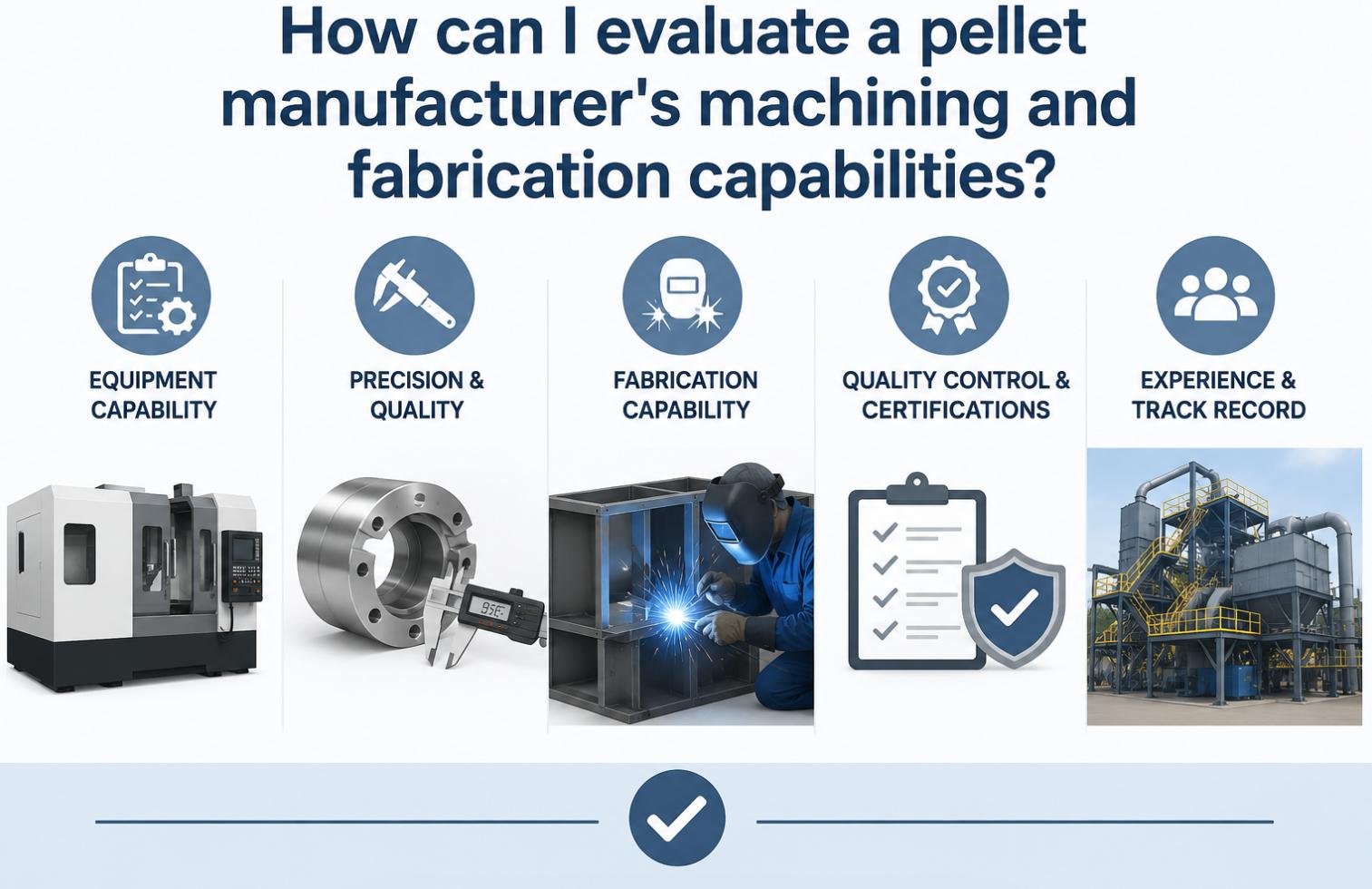
Ask suppliers to demonstrate the proposed transition logic with representative formulas and campaign sizes. The review should cover mass balance, batch cycle time, residual volumes, cleanout points, scale performance, mixer discharge, recipe permissions, alarms, data retention, and the method for handling transition product. A drawing review alone cannot show whether operators can actually inspect and clean the system.
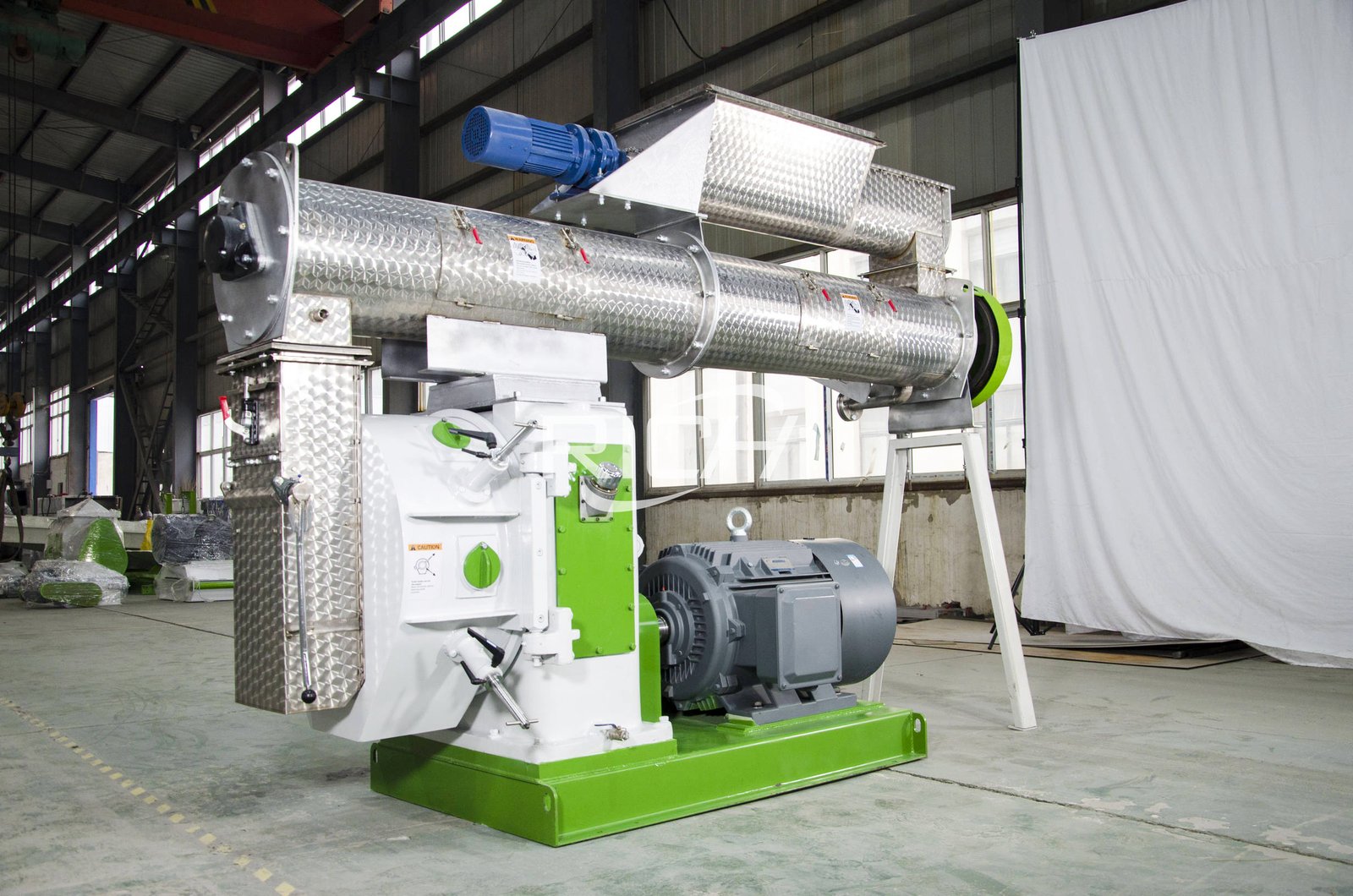
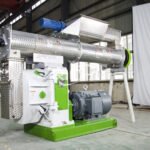
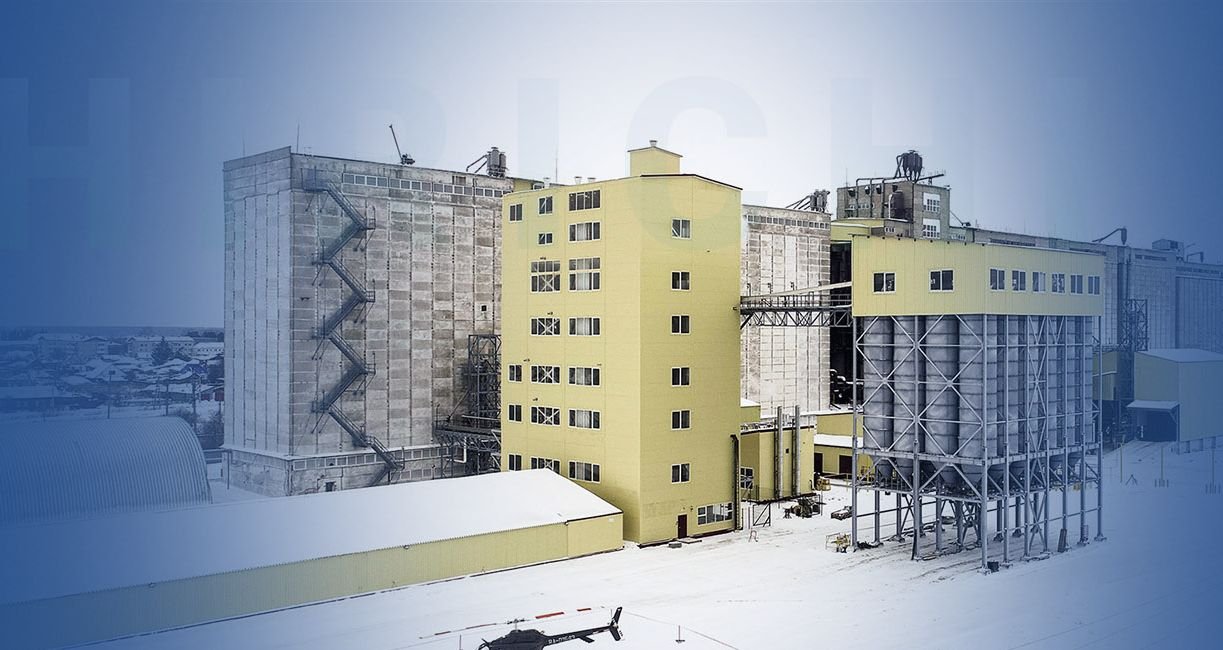
A useful reference is the process scope shown in this poultry feed production line design, which links storage, cleaning, crushing, mixing, pelleting, cooling, screening, packing, conveying, and electrical control. For a frequent-change plant, each of those stages should also be examined as a transition boundary. RICHI Machinery or any shortlisted supplier should explain how its proposed arrangement addresses the buyer’s actual formula matrix rather than offering one generic sequence.
A Practical Decision Rule
Choose the line concept that delivers the required daily mix of products with controlled identity, acceptable transition loss, safe access, and verifiable records. Do not select only on peak tons per hour or the number of automated devices. The strongest design makes difficult transitions visible, gives operators practical controls, and preserves enough flexibility for future recipes without weakening the rules that protect current products.