

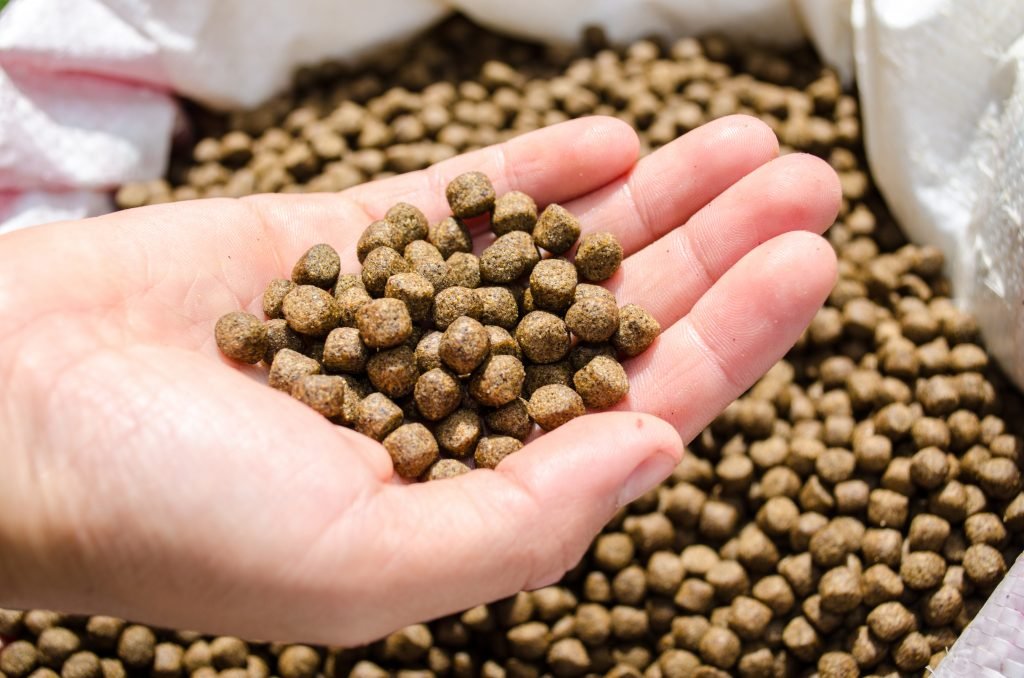
The rapid growth of global aquaculture has created significant opportunities for businesses involved in aquatic feed manufacturing. As fish farming continues to expand across Asia, Africa, South America, and other regions, the demand for high-quality aquatic feed is increasing steadily. Fish farmers require nutritionally balanced feed to maximize growth rates, improve feed conversion efficiency, and maintain healthy fish stocks. This growing demand makes aquatic feed production an attractive and profitable business opportunity.
Starting an aquatic feed production business requires careful planning, market research, equipment investment, and technical knowledge. Entrepreneurs must understand feed formulations, production processes, raw material sourcing, and customer requirements. They also need to evaluate factors such as production capacity, facility design, and equipment costs, including the fish feed pellet machine price, which often represents a significant portion of the initial investment.
This article provides a step-by-step guide on how to establish a successful aquatic feed production business and achieve long-term growth in the aquaculture industry.
Understanding the Aquatic Feed Market
Before investing in a feed production plant, it is important to understand the local aquaculture market.
Conducting market research helps answer key questions such as:
- What fish species are commonly farmed in the region?
- How many fish farms operate locally?
- What types of feed are currently in demand?
- Who are the major competitors?
- What price range do customers accept?
- Are there opportunities for premium or specialized feed products?
Different species require different feed formulations. For example:
- Tilapia feed
- Catfish feed
- Carp feed
- Shrimp feed
- Trout feed
- Floating fish feed
- Sinking fish feed
Understanding customer needs allows entrepreneurs to develop products that meet market demand.
Creating a Business Plan
A detailed business plan is essential for any aquatic feed production project.
The business plan should include:
Market Analysis
Evaluate demand, competition, and customer segments.
Investment Budget
Estimate costs for:
- Land
- Buildings
- Equipment
- Raw materials
- Labor
- Utilities
- Transportation
Production Capacity
Determine whether the facility will produce:
- 1–2 tons per hour
- 5 tons per hour
- 10 tons per hour
- Larger commercial capacities
Revenue Projections
Calculate expected sales volume and profit margins.
Marketing Strategy
Develop plans for attracting fish farmers, distributors, and feed dealers.
A well-prepared business plan helps secure financing and guides business development.
Selecting the Right Location
Location plays a crucial role in the success of an aquatic feed manufacturing business.
An ideal site should offer:
Access to Raw Materials
Being close to ingredient suppliers reduces transportation costs.
Proximity to Fish Farms
Shorter delivery distances improve customer service and reduce logistics expenses.
Reliable Utilities
The facility requires:
- Stable electricity supply
- Water access
- Transportation infrastructure
Expansion Potential
Future business growth may require additional production lines or storage facilities.
Choosing the right location can significantly improve operational efficiency and profitability.
Understanding Aquatic Feed Formulations
Successful feed production depends on providing balanced nutrition.
Feed formulations typically contain:
Protein Sources
- Fish meal
- Soybean meal
- Corn gluten meal
- Poultry by-product meal
Energy Sources
- Corn
- Wheat flour
- Rice bran
Lipid Sources
- Fish oil
- Soybean oil
- Vegetable oils
Additives
- Vitamins
- Minerals
- Enzymes
- Probiotics
Different species and growth stages require customized nutrient profiles.
For example, juvenile fish often require higher protein levels than mature fish.
Working with animal nutrition experts can help optimize feed formulations and product performance.
Choosing the Right Production Equipment
Equipment selection is one of the most important decisions when starting an aquatic feed production business.
A typical feed production line includes:
Raw Material Receiving System
Receives and stores incoming ingredients.
Grinding Equipment
Hammer mills reduce ingredient particle size for improved digestibility.
Mixing System
Mixers ensure uniform nutrient distribution.
Conditioning Equipment
Steam conditioning improves pellet quality and digestibility.
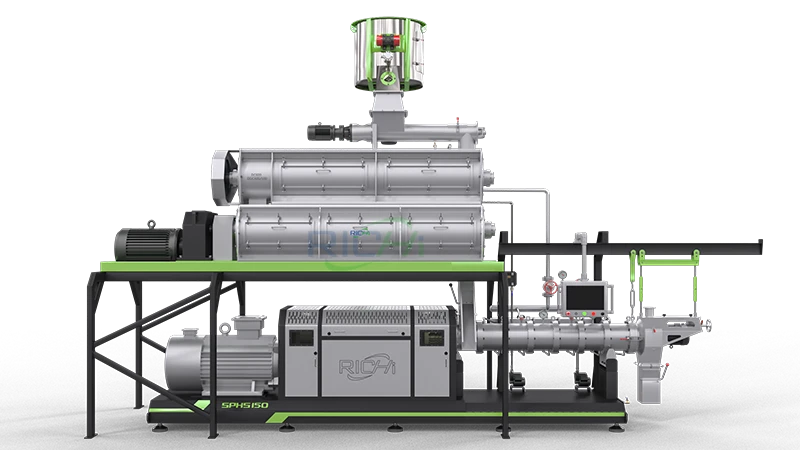
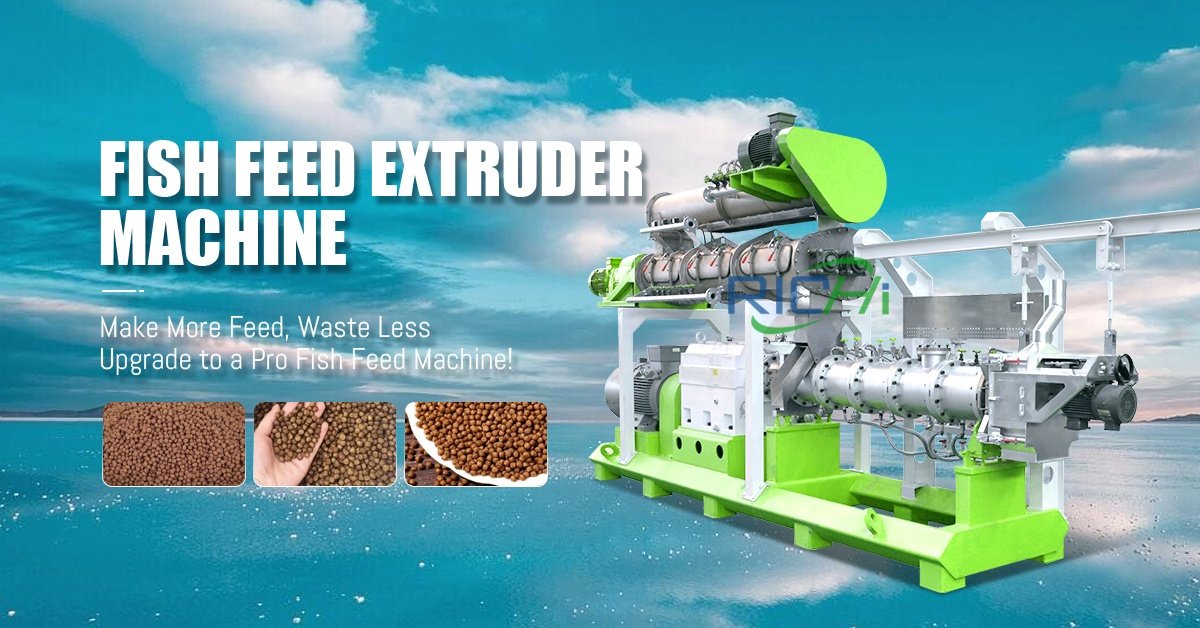
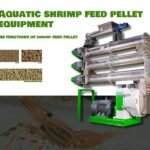
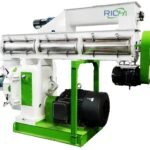
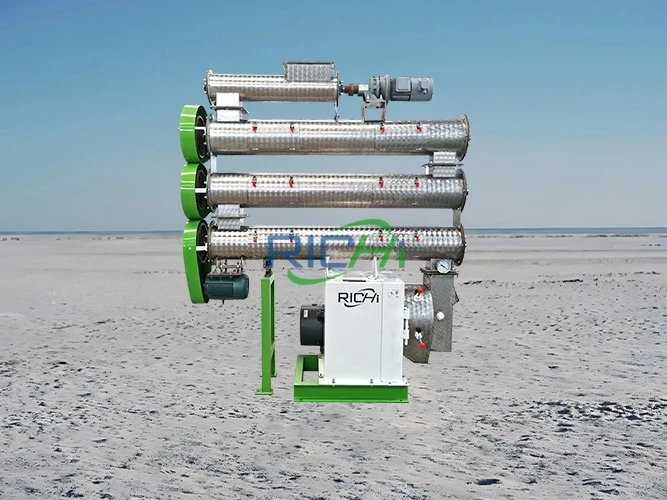
Pelletizing or Extrusion Equipment
This stage forms feed pellets.
Drying System
Removes excess moisture from pellets.
Cooling Equipment
Stabilizes pellet structure after drying.
Screening Equipment
Separates dust and broken particles.
Packaging System
Prepares finished feed for sale and distribution.
The choice of equipment depends on production goals, feed type, and investment budget.
https://pelletisingmachine.com/fish-feed-production-line
Evaluating Fish Feed Pellet Machine Price
One of the most important considerations for investors is the fish feed pellet machine price.
The cost of pelletizing equipment varies depending on several factors:
Production Capacity
Higher-capacity machines generally require larger investments.
Automation Level
Fully automated systems cost more but reduce labor expenses.
Pellet Type
Machines designed for floating fish feed often differ from those used for sinking feed.
Build Quality
Durable materials and advanced engineering typically increase equipment costs while improving reliability.
Manufacturer Reputation
Established equipment suppliers may offer higher-quality products and better after-sales support.
While initial investment is important, buyers should also consider long-term operating costs, maintenance requirements, and productivity when evaluating fish feed pellet machine price.(click to find out more)
Obtaining Licenses and Regulatory Approvals
Feed manufacturing businesses must comply with local regulations and industry standards.
Common requirements include:
Business Registration
Register the company according to local laws.
Environmental Approvals
Ensure compliance with environmental protection regulations.
Feed Manufacturing Licenses
Obtain permits required for commercial feed production.
Product Registration
Some countries require feed products to be registered before sale.
Quality Certifications
Certifications may enhance customer confidence and market access.
Understanding regulatory requirements helps avoid costly delays and legal issues.
Sourcing Raw Materials
Reliable raw material supply is essential for consistent production.
Feed manufacturers should establish relationships with trusted suppliers.
Important considerations include:
Ingredient Quality
Nutritional consistency directly affects feed performance.
Availability
Suppliers must provide stable long-term supply.
Price Stability
Volatile ingredient prices can affect profitability.
Logistics
Efficient transportation helps reduce operating costs.
Many successful feed producers work with multiple suppliers to minimize supply chain risks.
Setting Up Quality Control Systems
Quality control is critical in aquatic feed manufacturing.
A comprehensive quality assurance program should monitor:
Raw Materials
Test incoming ingredients for:
- Nutrient content
- Moisture levels
- Contamination
Production Process
Monitor grinding, mixing, conditioning, and pelletizing parameters.
Finished Feed
Evaluate:
- Protein content
- Pellet durability
- Water stability
- Moisture levels
Consistent quality helps build customer trust and brand reputation.
Hiring and Training Employees
A successful feed mill requires skilled personnel.
Key positions may include:
Production Operators
Operate and monitor equipment.
Maintenance Technicians
Maintain machinery and reduce downtime.
Quality Control Specialists
Conduct laboratory testing and quality inspections.
Sales Representatives
Develop customer relationships and generate orders.
Management Staff
Oversee business operations and strategic planning.
Employee training helps improve efficiency, safety, and product quality.
Developing a Marketing Strategy
Even the highest-quality feed will not succeed without effective marketing.
Potential marketing approaches include:
Direct Sales
Selling directly to fish farms.
Dealer Networks
Working with feed distributors and agricultural suppliers.
Demonstration Programs
Providing trial feed to potential customers.
Industry Events
Participating in aquaculture exhibitions and conferences.
Digital Marketing
Promoting products through websites and social media platforms.
Building strong customer relationships often leads to repeat business and long-term growth.
Managing Production Costs
Controlling costs is essential for maintaining profitability.
Major cost categories include:
Raw Materials
Typically represent the largest operating expense.
Energy Consumption
Electricity and fuel costs affect production efficiency.
Labor
Automation can help reduce labor expenses.
Maintenance
Regular equipment maintenance prevents costly breakdowns.
Transportation
Efficient logistics improve profit margins.
Successful manufacturers continuously seek opportunities to improve efficiency and reduce waste.
Expanding Product Lines
As the business grows, manufacturers can expand their product offerings.
Potential products include:
Floating Fish Feed
Popular for tilapia and catfish farming.
Sinking Fish Feed
Suitable for bottom-feeding species.
Shrimp Feed
Specialized formulations for shrimp production.
Fingerling Feed
Small pellets designed for young fish.
Premium Functional Feeds
Products containing probiotics, enzymes, or immune-enhancing additives.
Diversification helps attract new customers and increase revenue streams.
Future Opportunities in Aquatic Feed Manufacturing
The global aquaculture industry is expected to continue growing over the coming decades.
Key opportunities include:
Sustainable Feed Ingredients
Demand for environmentally friendly feed formulations is increasing.
Precision Nutrition
Customized diets improve feed efficiency and fish performance.
Automated Production
Advanced technologies improve productivity and consistency.
Export Markets
High-quality feed manufacturers can expand into international markets.
Alternative Protein Sources
Insect meal, algae protein, and microbial proteins are creating new business opportunities.
Entrepreneurs who adapt to these trends will be well-positioned for long-term success.
Conclusion
Starting an aquatic feed production business can be a highly rewarding investment in today’s expanding aquaculture industry. Success requires careful planning, strong market understanding, reliable raw material sourcing, quality control systems, and efficient production equipment.
One of the most important investment decisions involves selecting suitable pelletizing equipment and evaluating the fish feed pellet machine price in relation to production capacity, automation level, and long-term operational efficiency. Choosing the right equipment can significantly influence product quality and profitability.
By focusing on customer needs, maintaining consistent feed quality, and embracing technological innovation, entrepreneurs can build a competitive aquatic feed manufacturing business that supports the continued growth of global aquaculture while generating sustainable profits for years to come.