

In today’s highly competitive agricultural market, success is no longer defined by scale alone—it’s defined by efficiency, consistency, and control. For farmers and agribusiness owners looking to optimize feeding systems, the livestock feed pellet machine is becoming a cornerstone technology. But beyond its basic function, this machine represents a shift toward smarter, more integrated feed management.
Rethinking Feed Production in Modern Farming
Traditional feeding methods often rely on externally sourced feed, which can be costly and inconsistent in quality. By producing feed in-house, farmers gain full control over ingredients, nutritional balance, and production costs.
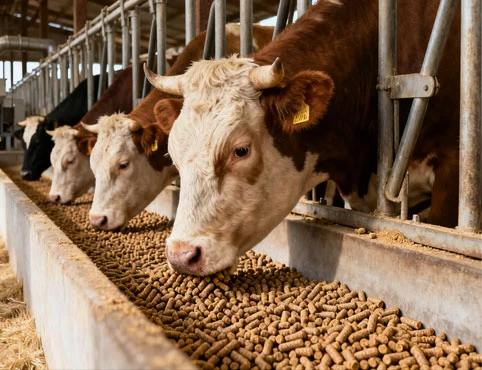
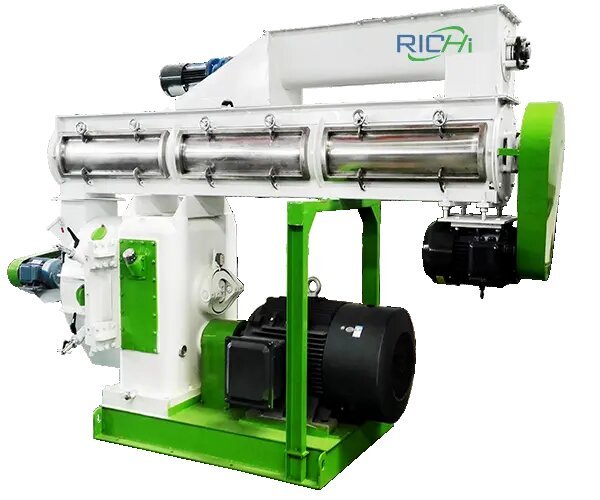
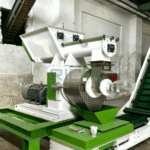
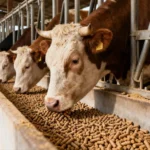
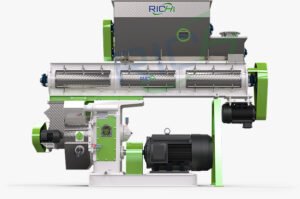
A livestock feed pellet machine compresses mixed raw materials into uniform pellets, ensuring that every animal receives balanced nutrition. This reduces feed waste, improves digestion, and ultimately leads to better growth performance across livestock categories such as poultry, cattle, and sheep.
More importantly, pelletized feed simplifies storage and transportation, making farm operations more organized and scalable.
Building a Multi-Sector Feed Production System
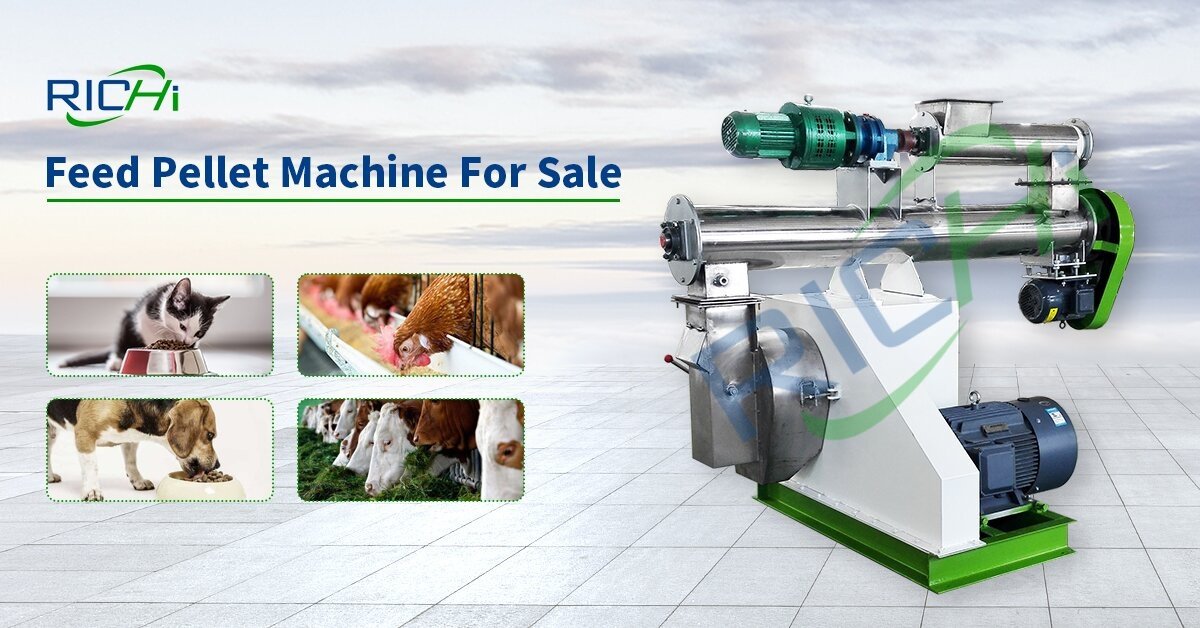
What sets modern feed pellet machines apart is their ability to support diversified farming strategies. Today’s farms are no longer limited to a single type of production—they often combine livestock, aquaculture, and even pet food processing.
For example, integrating a fish feed pellet making machine allows farmers to enter the aquaculture sector with minimal additional investment. This creates new revenue opportunities while maximizing the use of existing raw materials.
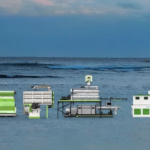
Meanwhile, for operations requiring higher-end aquatic feed, a Wet-type fish feed extruder can be introduced to produce premium floating or slow-sinking pellets. Together, these systems form a comprehensive feed production network that supports multiple industries.
Performance Features That Make a Difference
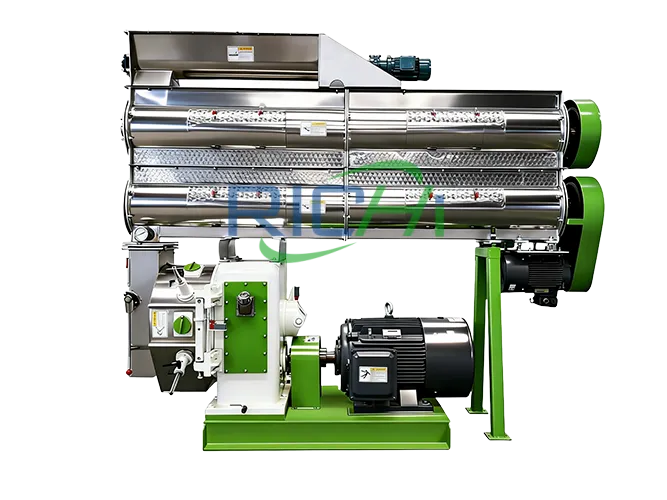
A high-quality livestock feed pellet machine is engineered for reliability and efficiency. Advanced die and roller systems ensure consistent pellet formation, while optimized compression technology reduces energy consumption.
Flexibility is another key advantage. Operators can easily adjust pellet size, density, and formulation to meet the specific needs of different animals. This adaptability is crucial in responding to market changes and maintaining competitiveness.
Additionally, modern machines are designed with automation in mind, reducing labor requirements and minimizing human error in production.
Where Innovation Meets Practical Application
Investing in feed equipment is not just about machinery—it’s about choosing a partner who understands your business goals. A reliable supplier will offer more than just products; they provide tailored solutions, technical expertise, and long-term support.
If you’re exploring options for upgrading your feed system, visiting my website can help you access detailed product insights and real project examples. Companies like RICHI Machinery
are recognized for delivering customized feed processing solutions that align with both small-scale farms and large industrial operations.
Conclusion: From Equipment to Strategy
A livestock feed pellet machine is no longer just a tool—it’s a strategic asset. By enabling in-house production, supporting multi-sector expansion, and improving feed efficiency, it empowers farmers to take control of their operations.
In a world where agricultural success depends on precision and sustainability, upgrading your feed strategy may be the smartest move you can make.